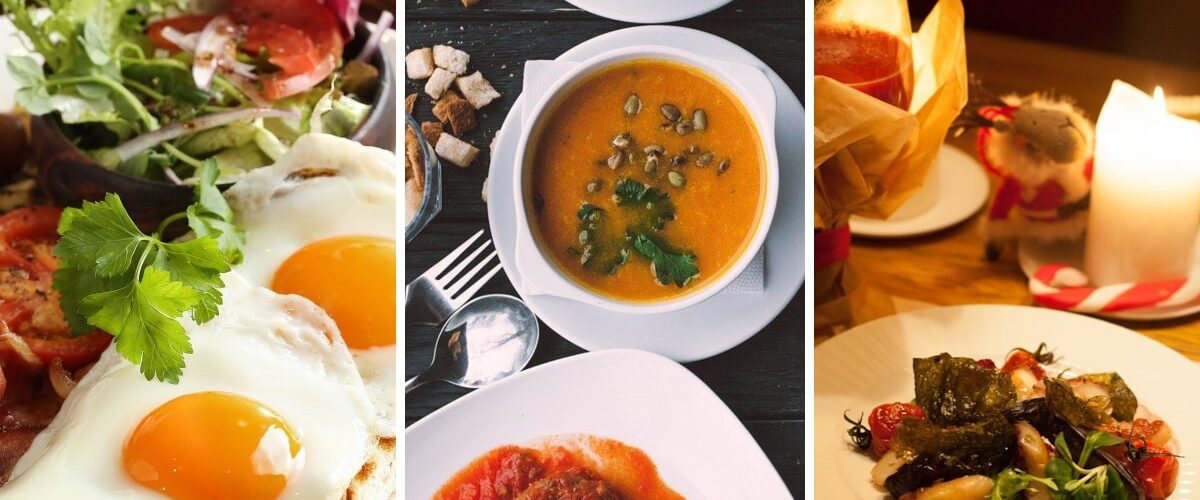
Sales Report by Meal Period in a restaurant
Meal period meal plans are designed to cater to the different eating habits and preferences of customers throughout the day. By offering specific meal options during breakfast, lunch, and dinner, restaurants can attract a wider range of clientele. This targeted approach ensures that customers have access to their preferred meals at any time, increasing their satisfaction and loyalty.
Restaurant sales report by meal period provides valuable insights into various aspects of your business, including sales, customer preferences, and operational efficiency. By breaking down your sales data by breakfast, lunch, and dinner, you gain a comprehensive understanding of when your restaurant performs best and which meal periods might need some attention. For example, you might discover that your breakfast sales are consistently lower than other meal periods, which presents an opportunity for targeted marketing strategies or menu adjustments.
Basic Periods of Meal
Meal periods are an essential part of our daily routine, providing us with the necessary sustenance to fuel our bodies and minds. There are several basic periods of meal that are commonly recognized across different cultures and societies.
1. Breakfast
Breakfast is often referred to as the most important meal of the day, as it kickstarts our metabolism and provides us with the energy we need to start our day. This meal typically consists of foods such as cereal, toast, eggs, and fruit.
2. Lunch
Lunch is usually consumed in the middle of the day and serves as a refueling period to keep us going until dinner. This meal can vary greatly depending on cultural preferences but often includes items such as sandwiches, salads, and soups.
3. Dinner
Dinner is typically the largest meal of the day and is consumed in the evening. It provides us with the nutrients we need to replenish our bodies after a long day of work or activities. Dinner often includes a combination of proteins, carbohydrates, and vegetables.
4. Snacks
In addition to these main meal periods, snacks are also an important part of our eating habits. Snacks can be consumed in between meals to provide us with a quick burst of energy or to satisfy cravings. Healthy snack options include fruits, nuts, yogurt, and granola bars.
Implementing meal period meal plans not only benefits the customers but also significantly impacts restaurant sales.
How sales by meal period can be used in restaurant management
1. Increased Customer Footfall
Offering meal period meal plans attracts customers who may have otherwise opted for alternative dining options. For instance, a restaurant with an appealing breakfast menu can entice morning commuters looking for a quick yet satisfying meal before work. By catering to specific meal periods, restaurants can capture a broader audience and boost customer footfall throughout the day.
2. Enhanced Customer Loyalty
With meal period meal plans, customers know they can rely on their favorite restaurant to serve their preferred meals whenever they visit. This consistency builds trust and loyalty, encouraging customers to choose the same restaurant repeatedly. Additionally, the utilization of dining points incentivizes customers to return, as they aim to accumulate more points and enjoy the associated rewards.
3. Upselling Opportunities
Meal period meal plans can serve as an excellent opportunity for upselling by offering customization options or complementary add-ons. For example, a lunch meal plan could include a choice of salad or soup as an additional item for a small extra charge. This not only increases customer satisfaction but also boosts revenue by encouraging customers to spend a little more on their meals.
4. Word-of-Mouth Marketing
A satisfied customer is likely to share their positive dining experience with friends and family. By providing unique meal period meal plans and dining point programs, restaurants increase the chances of customers becoming brand advocates. Positive word-of-mouth marketing can significantly impact restaurant sales, attracting new customers who are intrigued by the meal plans and rewards offered.
5. Data-Driven Decision Making
Meal period meal plans and dining points generate valuable data about customer preferences, peak hours, and specific trends. Restaurants can utilize this data to make informed decisions about menu offerings, pricing strategies, and promotional activities. By understanding customer demands better, restaurants can optimize their sales strategies and tailor their offerings to maximize profitability.
The Importance of Sales Analysis by Meal Period
Analyze restaurant reports by meal period provides several benefits:
- Identifying Peak Hours: Understanding your peak hours enables you to allocate resources effectively, ensuring optimal staffing levels and reducing overhead costs during slower meal periods.
- Optimizing Menu Offerings: Analyzing sales data helps you determine which dishes sell well during certain meal periods. You can capitalize on this information by featuring popular items prominently on the menu or experimenting with new offerings to cater to specific time frames.
- Targeted Marketing Campaigns: Armed with knowledge about underperforming meal periods, you can develop targeted marketing campaigns to attract more customers during those times. For instance, offering breakfast specials or lunchtime promotions can help generate buzz and increase foot traffic.
- Improving Customer Experience: By analyzing sales data, you can identify areas where the customer experience can be enhanced. If your dinner sales are consistently slow, it may be worth exploring ways to create a more inviting ambiance or introducing fun events to attract patrons during this period.
Implementing Effective Sales Analysis Strategies
To start harnessing the power of sales analysis by meal period, consider the following strategies:
- Implement a Robust Point of Sale (POS) System: A reliable POS system can efficiently track sales by meal period and provide detailed reports for analysis. Invest in a system that allows you to access real-time data and customize reports based on your specific needs.
- Track Customer Preferences: Capture customer preferences, such as favorite dishes or ordering habits, using loyalty programs or feedback surveys. This data can offer valuable insights into which meal periods certain customers prefer, helping you tailor your sales strategies accordingly.
- Monitor Competitor Activity: Keep an eye on your competitors’ offerings and promotions during different meal periods. Understanding what they are doing successfully can inspire ideas for your own restaurant and give you a competitive edge.
- Regularly Review and Adjust Strategies: Continuously analyze your restaurant reports and revise your strategies based on the insights gained. Experiment with new menu items, promotional tactics, or operational improvements to capitalize on opportunities and address any weaknesses.
Implementing meal period meal plans and dining points offers numerous advantages for food businesses. From increasing footfall and enhancing customer loyalty to capitalizing on upselling opportunities and leveraging word-of-mouth marketing, these strategies can significantly boost restaurant sales. With the right implementation and execution, meal period meal plans and dining points have the potential to revolutionize the way restaurants attract, retain, and delight their customers.