


Restaurant Procurement Software

Restaurant Procurement Software

Features of Restaurant Procurement Software

Restaurant procurement software streamlines the purchasing process, ensuring that restaurants can manage their inventory, suppliers, and orders effectively. Here are the top seven features that enhance the functionality and effectiveness of procurement software for restaurants:

1. Supplier Management

A robust supplier management feature allows restaurants to maintain detailed profiles for each supplier. This includes contact information, pricing structures, and performance metrics.

2. Inventory Tracking

Inventory tracking helps restaurants monitor their stock levels and avoid shortages or overstock situations. With automated alerts for low stock, restaurant managers can reorder supplies before running out, ensuring smooth operations in the kitchen.

3. Purchase Order Automation

The ability to automate purchase orders simplifies the ordering process. Restaurant procurement software can generate orders based on inventory levels or predefined schedules, reducing manual errors and saving time. This feature enhances efficiency and ensures timely restocking of essential items.

4. Cost Management and Budgeting

Effective cost management tools allow restaurants to analyze spending patterns and set budgets for different categories. By monitoring expenses closely, restaurants can identify areas for savings and optimize their procurement strategies to improve profitability.

5. Recipe Costing

Recipe costing features enable restaurants to calculate the exact cost of each dish based on ingredient prices and portions. This tool aids in menu pricing decisions and ensures that food costs align with revenue goals, helping to maximize profit margins.

6. Reporting and Analytics

Comprehensive reporting and analytics capabilities provide valuable insights into purchasing trends, supplier performance, and inventory turnover rates. These insights empower restaurant owners and managers to make data-driven decisions that enhance operational efficiency and financial performance.

7. Integration with Management Accounting Software

Seamless integration with management accounting software streamlines financial processes, allowing for easier tracking of budgets, invoices and payments. This integration ensures that all procurement activities are accurately reflected in the financial records, simplifying audits and financial reporting.

Benefits of Implementing Procurement Software

Investing in procurement software offers numerous advantages for restaurant management:

  • Increased Efficiency: Automating procurement processes saves time and reduces manual errors.
  • Better Decision Making: Access to data analytics enables informed decisions about supplier selection and inventory management.
  • Enhanced Supplier Relationships: Streamlined communication fosters stronger partnerships with vendors, improving service quality.
  • Cost Savings: By optimizing purchasing strategies, restaurants can significantly reduce food costs and waste.

The Importance of Supplier Relationships

Strong supplier relationships are essential for several reasons:

  • Quality Control: Reliable suppliers provide consistent quality, which is critical for maintaining menu standards and customer satisfaction.
  • Cost Efficiency: Long-term partnerships can lead to better pricing, discounts, and favorable terms, ultimately reducing overall procurement costs.
  • Innovation and Adaptability: Suppliers who understand a restaurant’s needs can offer innovative products and solutions, helping businesses stay ahead of culinary trends.
  • Risk Mitigation: Building solid relationships allows for greater communication and problem-solving during supply chain disruptions.

Best Practices for Effective Supplier Relationship Management

To maximize the benefits of procurement software, restaurants should adopt the following best practices:

  • Regular Communication: Maintain open lines of communication with suppliers to address concerns and share feedback.
  • Collaborative Planning: Work with suppliers on forecasting demand and planning deliveries to minimize stockouts and overstock situations.
  • Training and Support: Provide training for staff on how to effectively use procurement software to manage supplier relationships.
  • Continuous Improvement: Regularly assess supplier relationships and seek opportunities for enhancement through performance reviews and feedback sessions.

Conclusion

Effective supplier relationship management is paramount for the success of any restaurant. By leveraging advanced procurement software, restaurants can strengthen their partnerships with suppliers, optimize their procurement processes, and ultimately enhance their operational efficiency and customer satisfaction. Embracing technology in procurement not only drives business growth but also positions restaurants to adapt swiftly in an ever-evolving marketplace.

Read the same way

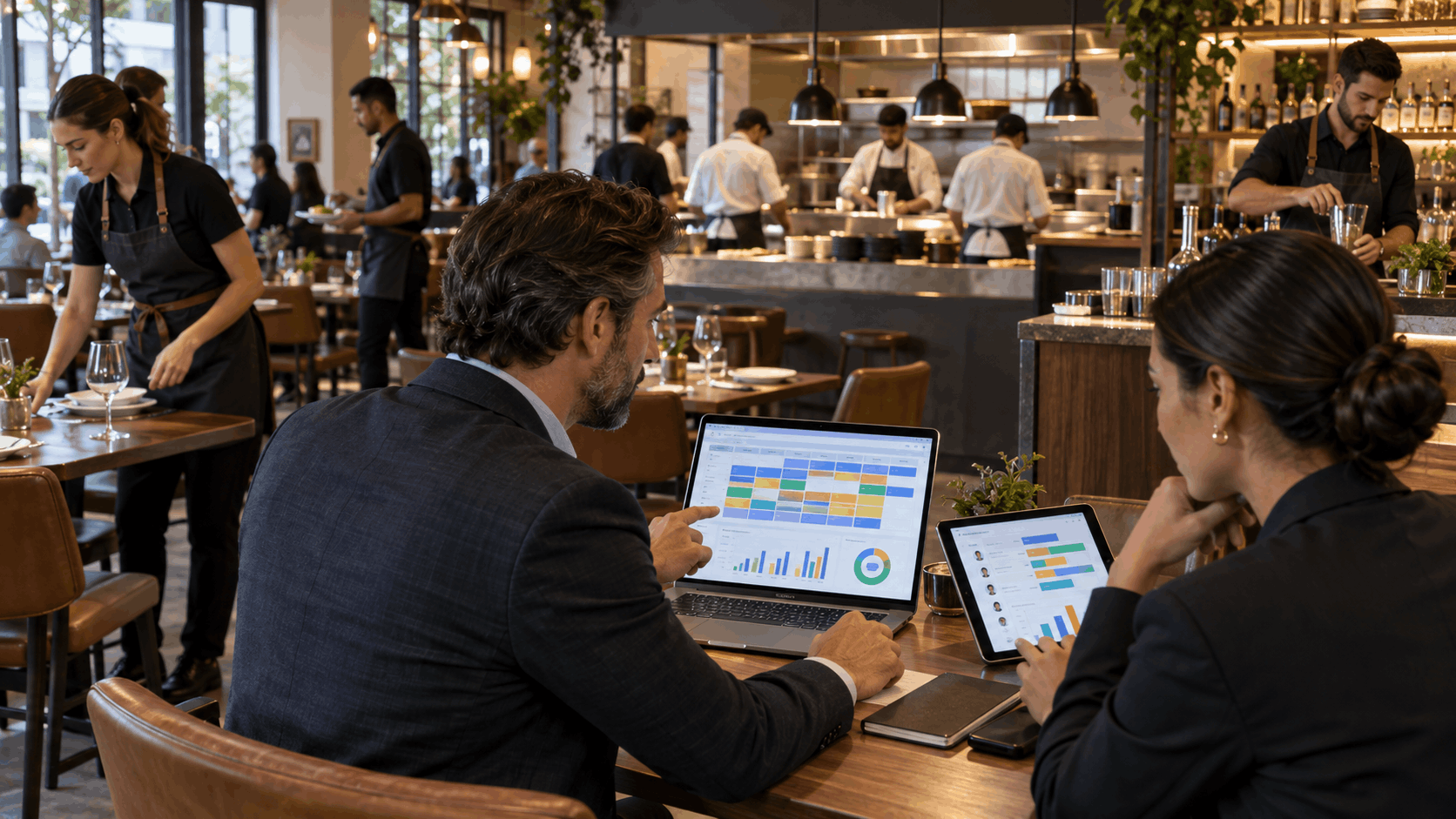
Business planning How can a restaurant business plan show whether a concept can attract demand, cover costs and return its investment?

How can a restaurant business plan show whether a concept can attract demand, cover costs and return its investment?

It connects the target market and sales forecast to capacity, staffing, equipment, operating costs, profit and cash flow. By separating facts from assumptions and testing scenarios, owners can identify key risks, estimate break-even and funding needs, and monitor performance after opening.
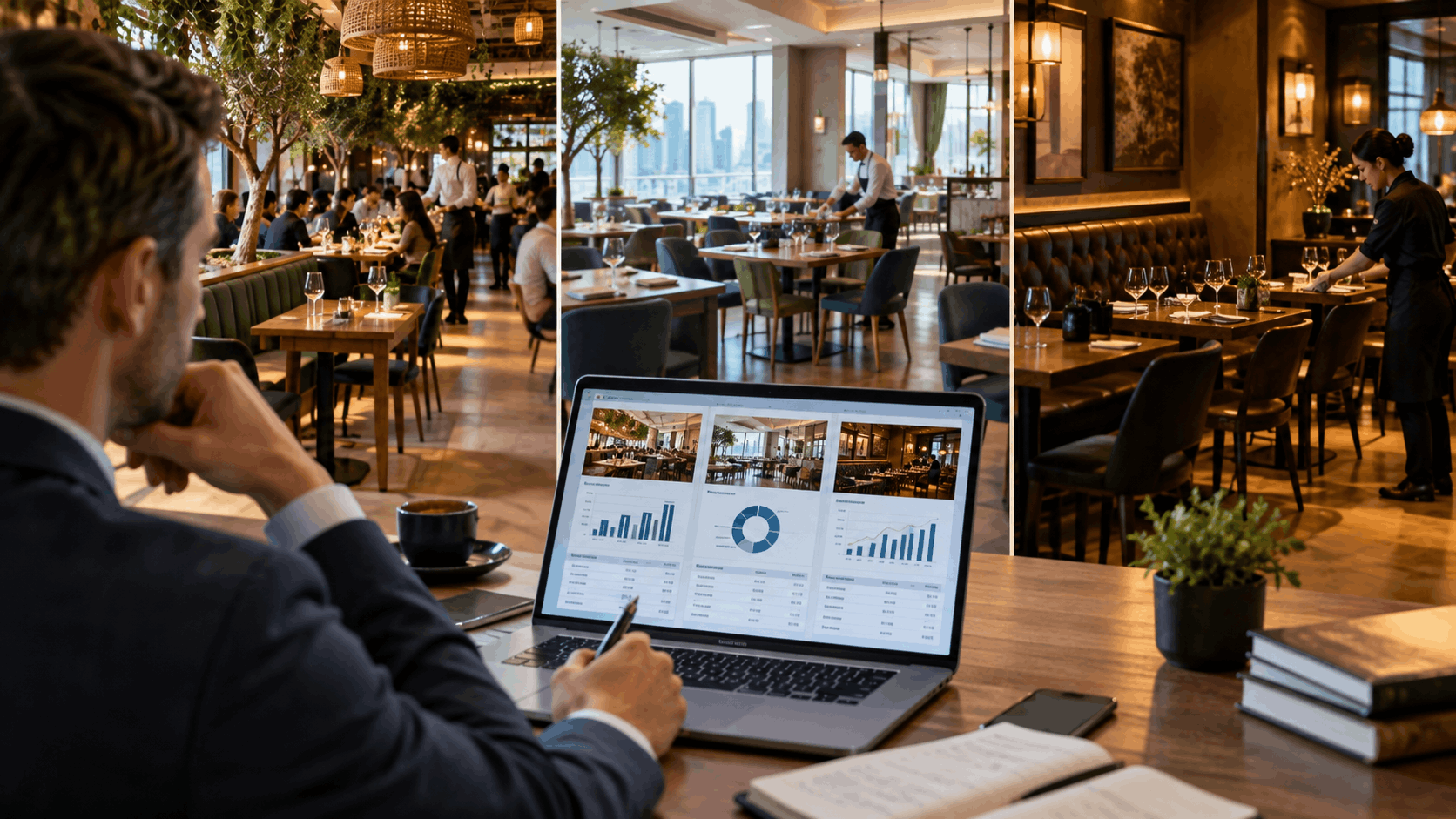
Cost management Why does a restaurant need a staffing model instead of simply setting headcount?

Why does a restaurant need a staffing model instead of simply setting headcount?

Because labor cost is shaped by demand, workload, productivity, labor hours, scheduling, pay rates, and overtime. A strong staffing model connects these factors to show how much labor the operation actually needs, when it is needed, and why payroll changes. This helps managers adjust schedules, capacity, and staffing decisions based on causes rather than budget variance alone.
Basics of management accounting Why do restaurants in the same group produce different levels of profit and efficiency?

Why do restaurants in the same group produce different levels of profit and efficiency?

Effective restaurant performance comparison goes beyond revenue, profit, or Food Cost rankings. Locations should first be normalized by format, scale, trading time, and resource base, then analyzed through sales, labor, product costs, operating expenses, and asset utilization. This factor-based approach helps managers identify controllable causes, transfer effective practices, and measure whether operational changes improve business results.

Key Indicators (KPIs) Why do restaurant locations perform differently, and which factors actually explain the gap?

Why do restaurant locations perform differently, and which factors actually explain the gap?

Effective benchmarking compares normalized KPIs, resource use, operational output, and financial results to separate external conditions from controllable causes. The goal is not ranking restaurants, but identifying management actions that can improve efficiency, profitability, and performance consistently.
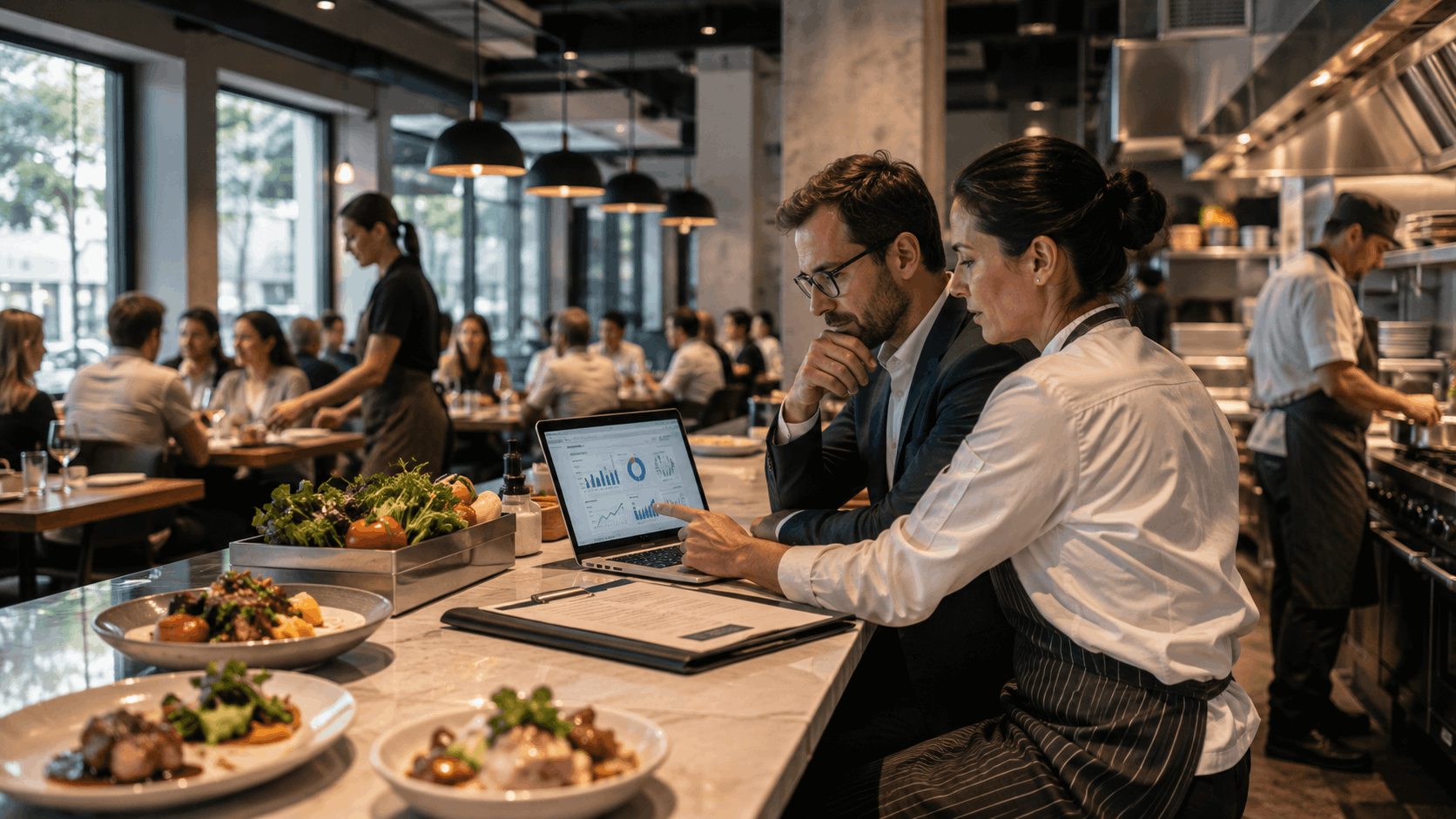
Key Indicators (KPIs) Is a higher average check enough to guarantee higher restaurant revenue?

Is a higher average check enough to guarantee higher restaurant revenue?

Restaurant revenue cannot be planned from average check alone. A reliable forecast connects guest traffic, order volume, average spend, table turnover, trading hours, capacity and sales channels. This article shows how restaurant managers can build a driver-based sales plan and link revenue assumptions to labour, food cost and cash flow.
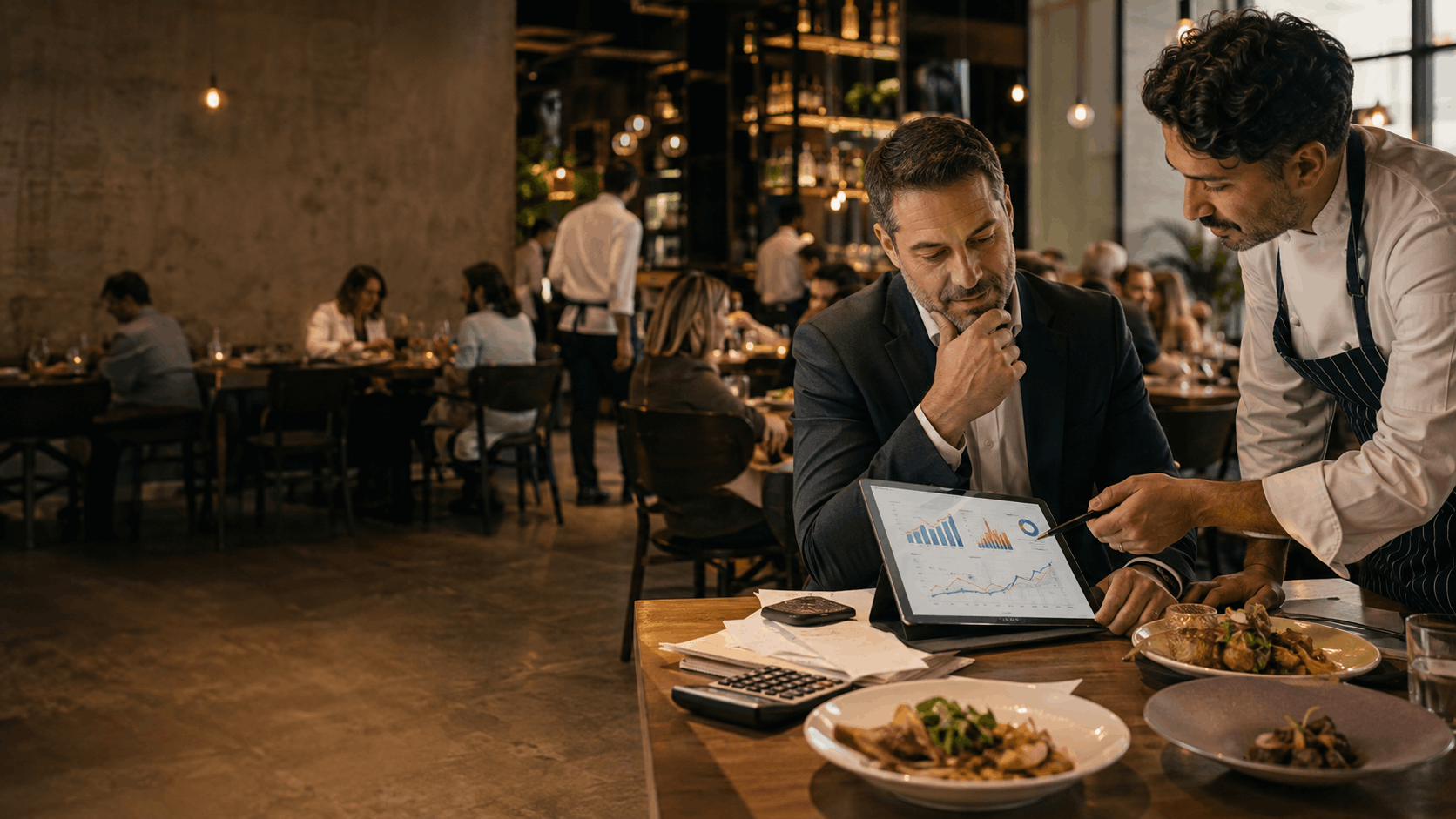
Sales management in restaurant Restaurant Discounts and Promotions: How to Measure Their Real Economic Impact

Restaurant Discounts and Promotions: How to Measure Their Real Economic Impact

Restaurant discounts should be measured by economic impact, not sales growth alone. This article explains how to evaluate promotions using baseline demand, uplift, cannibalisation, sales mix, discount depth, variable costs and contribution margin. It shows how restaurant managers can identify real incremental value and turn promotional analysis into better decisions.


Practical guide to analyzing the sales of a restaurant

Don't let financial problems interfere with the success of your restaurant. Take advantage of Use our restaurant analysis services today and find out how we can help you accept sound financial decisions, increase profitability and ensure a prosperous the future for your business. Fill out the form and we will contact you within one business day.

BOOK RELEASE DATE
August 30, 2024

AVAILABLE TO ALL CUSTOMERS AND USERS OF THE SYSTEM