The Importance of Asset Management in Restaurants
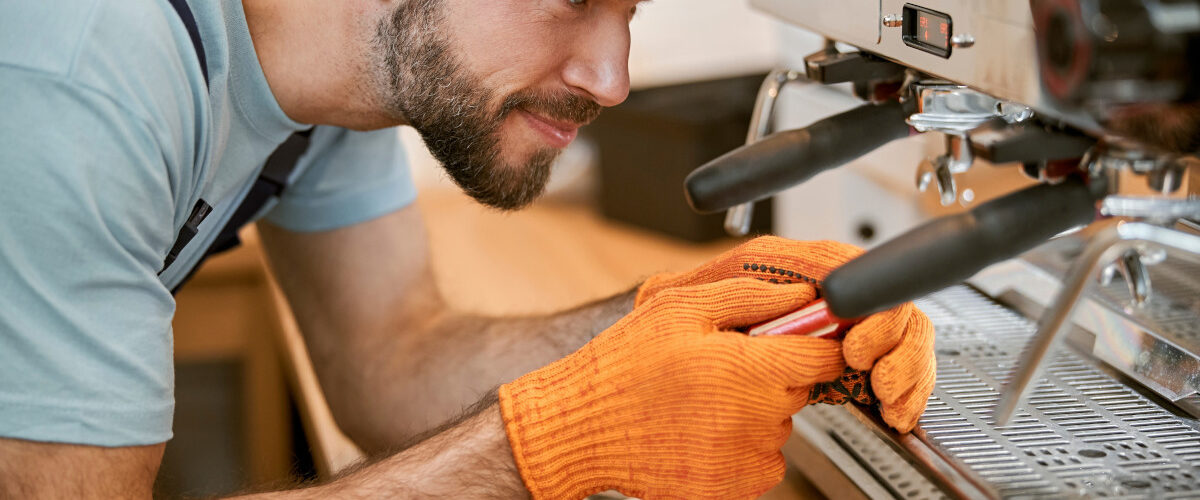
Restaurants rely on a wide range of equipment and assets, from kitchen appliances to furniture and decor. Maintaining these assets is vital for:
- Operational Efficiency: Well-maintained equipment operates more efficiently, reducing energy costs and improving service speed.
- Cost Reduction: Preventative maintenance helps identify potential issues before they become costly repairs or replacements.
- Regulatory Compliance: Keeping equipment in good condition ensures compliance with health and safety regulations.
- Customer Satisfaction: When all assets are functioning properly, it leads to a better dining experience for customers.
Key Features of Asset Management Software
- Inventory Tracking: Monitor the status and location of assets in real-time, reducing the risk of loss or theft.
- Maintenance Management: Schedule regular maintenance and repairs to extend the life of assets and minimize downtime.
- Reporting and Analytics: Generate reports to analyze asset performance and make informed decisions regarding procurement and disposal.
- Compliance Management: Ensure adherence to industry regulations and standards through automated tracking and documentation.
Benefits of Using Asset Management Software
Implementing asset management software offers numerous benefits for businesses, particularly in the restaurant industry:
- Cost Efficiency: By optimizing asset utilization and preventing unnecessary expenditures, businesses can significantly reduce costs.
- Improved Decision-Making: Access to accurate data allows managers to make informed decisions regarding asset acquisition, maintenance, and replacement.
- Enhanced Productivity: Streamlined processes and reduced manual tasks free up time for staff to focus on core business activities.
- Increased Accountability: With clear tracking and reporting, it becomes easier to assign responsibility for asset management to specific individuals or teams.
Understanding Restaurant Maintenance Software
Restaurant maintenance software is a specialized tool designed to help restaurant operators manage their maintenance tasks efficiently. This software can track various aspects of restaurant upkeep, from equipment repairs to inventory management, ultimately assisting in prolonging the lifespan of assets and optimizing operational efficiency.
Key Features of Restaurant Maintenance Software
- Work Order Management: Allows managers to create, assign, and track work orders for repairs or maintenance tasks.
- Preventive Maintenance Scheduling: Automates scheduling for routine maintenance tasks, reducing the likelihood of equipment failure.
- Inventory Management: Monitors supplies needed for maintenance tasks, helping to avoid delays caused by insufficient materials.
- Reporting and Analytics: Provides insights into maintenance trends, costs, and equipment performance, enabling better decision-making.
How Restaurant Maintenance Software Works
The functionality of restaurant maintenance software can be broken down into several key processes:
- User-Friendly Interface: Most restaurant maintenance software solutions come with an intuitive dashboard that allows users to navigate easily through various features. Users can quickly access information regarding maintenance schedules, asset status, and work orders.
- Data Entry and Management: Restaurant managers input relevant data about their assets, including purchase dates, warranty information, and maintenance history. This centralizes all information in one place, making it easy to access when needed.
- Automated Alerts: The system sends automated alerts for upcoming maintenance tasks or when assets require attention. This ensures that nothing falls through the cracks and helps maintain compliance with health and safety regulations.
- Mobile Accessibility: Many modern solutions offer mobile applications, allowing managers and staff to access the software on-the-go. This feature is particularly beneficial for larger establishments where maintenance may need to be coordinated across multiple locations.
Predictive Maintenance Scheduling
One innovative solution that has emerged is QR Asset Management Software, specifically designed for predictive maintenance scheduling. This approach not only enhances operational efficiency but also helps in reducing costs associated with unexpected equipment failures.
Predictive maintenance involves using data analytics and technology to predict when equipment will fail or require servicing. By analyzing historical performance data and real-time monitoring, restaurant asset management software can schedule maintenance proactively, minimizing downtime and maximizing productivity.
Benefits of Predictive Maintenance Scheduling
- Reduced Downtime: By anticipating maintenance needs, restaurants can avoid unexpected breakdowns that disrupt service and harm customer satisfaction.
- Cost Savings: Scheduling maintenance before a failure occurs reduces repair costs and extends the lifespan of kitchen equipment.
- Improved Safety: Regular maintenance ensures that all equipment operates safely, reducing the risk of accidents in the kitchen.
- Data-Driven Decisions: Access to performance data allows restaurant managers to make informed decisions regarding equipment purchases and upgrades.
Implementing Predictive Maintenance in Your Restaurant
Transitioning to predictive maintenance scheduling requires careful planning and execution. Here are steps to successfully implement this strategy:
- Assess Current Equipment: Evaluate the age and condition of your current assets to prioritize which need regular monitoring.
- Select the Right Software: Choose a restaurant asset management software that meets your specific needs and integrates well with existing systems.
- Train Staff: Ensure that your team understands how to use the software effectively, including inputting data and interpreting alerts.
- Establish a Maintenance Schedule: Create a proactive maintenance timetable based on the software’s recommendations and business requirements.
- Review and Adjust: Continuously evaluate the effectiveness of the predictive maintenance program and make adjustments as needed.
Conclusion
Investing in restaurant asset management software for predictive maintenance scheduling is a strategic move that can significantly improve operational efficiency and reduce costs. By proactively managing equipment maintenance, restaurants can not only enhance their service quality but also create a safer and more productive working environment. Embracing technology in asset management is no longer just an option—it’s essential for staying competitive in today’s dynamic restaurant landscape.