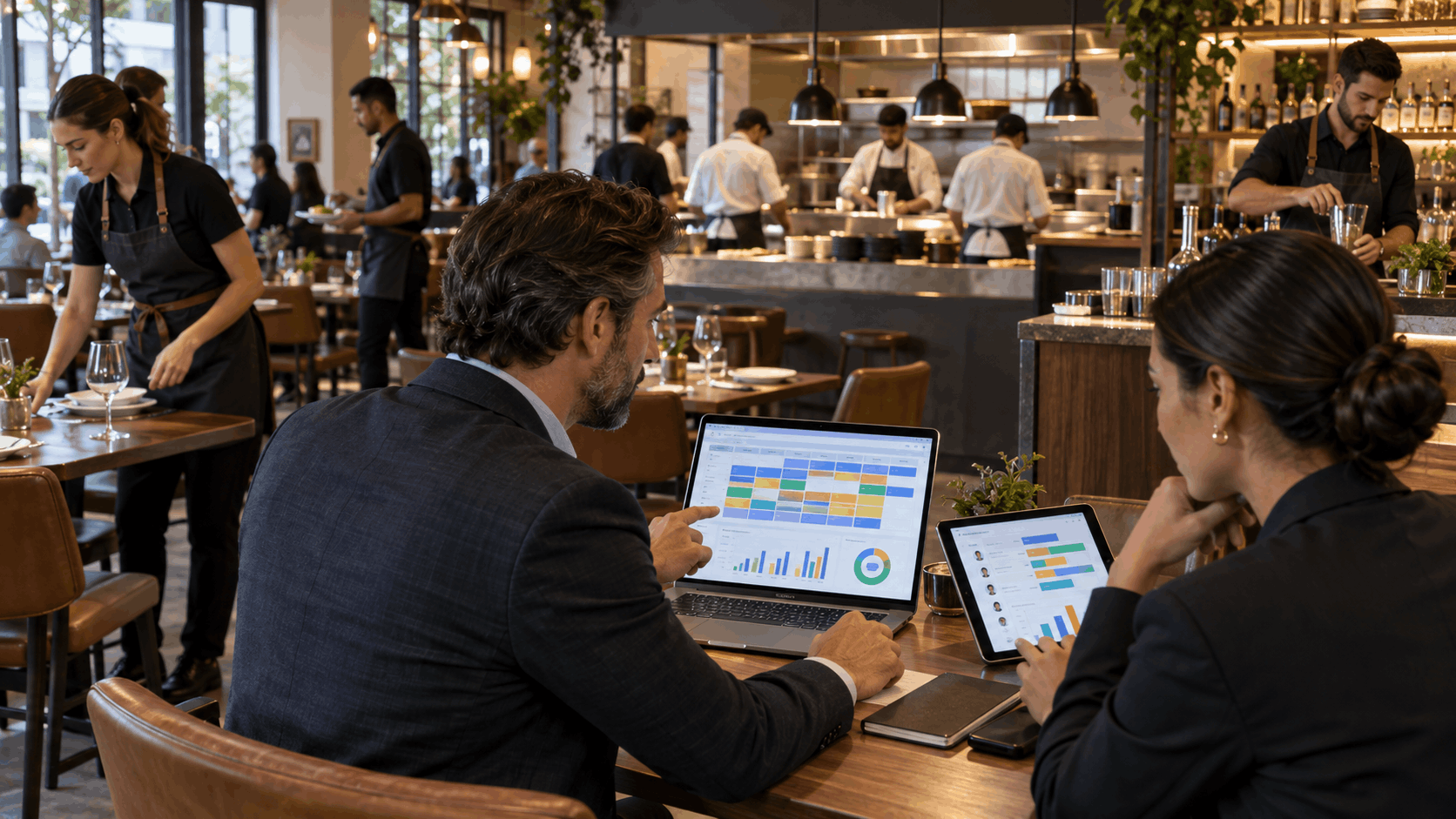
This software allows optimization of staff shifts, ensuring that the right number of employees are available during peak hours while also considering employee availability and preferences.
Key Features of Advanced Restaurant Scheduling Software
- Real-Time Scheduling: With real-time updates, managers can quickly make changes to shifts as needed, ensuring that all employees are informed instantly. This reduces confusion and helps maintain adequate staffing levels during peak hours.
- Employee Availability Management: Allowing employees to input their availability directly into the software empowers them and helps managers create schedules that consider personal commitments. This feature aids in reducing last-minute call-offs and improves overall job satisfaction.
- Automated Shift Reminders: Automated notifications remind employees of upcoming shifts, thereby minimizing no-shows and enhancing accountability. These reminders can be sent via SMS or email, ensuring that everyone stays informed.
- Labor Cost Control: Integrating features that allow for tracking labor hours against sales projections helps restaurant managers control costs effectively. By analyzing peak times and adjusting staffing accordingly, restaurants can optimize their workforce without compromising service quality.
- Reporting and Analytics: Comprehensive reporting features provide insights into employee performance, labor cost trends, and scheduling efficiency. Managers can leverage this data to make informed decisions and improve operational workflows.
- Mobile Access: Mobile capabilities allow both managers and employees to access the scheduling software on-the-go. Employees can view their schedules, request time off, or trade shifts from their smartphones, making it convenient for everyone involved.
- Integration with POS Systems: Integrating scheduling software with Point of Sale (POS) systems enables better forecasting and staffing based on sales data. This connection ensures that the right number of employees are scheduled during busy hours, ultimately improving service delivery.
- Customizable Templates: Many scheduling tools offer customizable templates that allow managers to create shifts that reflect their unique needs. Whether it’s accommodating for seasonal staff or special events, customization options help streamline the process.
Benefits of Restaurant Scheduling Software
In the fast-paced world of the restaurant industry, effective management of staff schedules is crucial for maintaining smooth operations and ensuring customer satisfaction. Restaurant scheduling software has emerged as a powerful tool that offers numerous benefits to streamline this process.
1. Improved Efficiency
One of the primary advantages of restaurant scheduling software is its ability to improve overall efficiency. By automating the scheduling process, managers can save time that would otherwise be spent on manual scheduling tasks. This allows them to focus more on enhancing the dining experience and managing other aspects of the restaurant.
2. Enhanced Communication
Clear communication between management and staff is vital for any restaurant’s success. Scheduling software often includes features like messaging systems or notifications that keep employees informed about their shifts and any changes in real-time. This helps minimize misunderstandings and ensures everyone is on the same page.
3. Increased Flexibility
With the changing dynamics of the workforce, flexibility is essential. Scheduling software allows employees to swap shifts, request time off, or indicate their availability easily. This empowers staff members and promotes a healthier work-life balance, which can lead to higher job satisfaction and lower turnover rates.
4. Accurate Labor Cost Management
Monitoring labor costs is critical for restaurant profitability. Scheduling software provides insights into labor expenses by tracking hours worked, overtime, and staffing levels. This data enables managers to make informed decisions about scheduling, helping to optimize labor costs while ensuring adequate coverage during peak hours.
5. Streamlined Staff Training
Onboarding new employees can be time-consuming, but scheduling software can help facilitate training processes. By organizing training sessions and creating structured schedules, managers can ensure that new hires receive the necessary guidance and support. This systematic approach can lead to faster acclimation and improved performance.
6. Data-Driven Insights
Many restaurant scheduling software solutions come equipped with analytics tools that provide valuable insights into staffing patterns, employee performance, and customer traffic. Analyzing this data helps managers identify trends and make strategic decisions that enhance operational efficiency and service quality.
7. Compliance and Labor Law Adherence
Navigating labor laws and regulations can be complex for restaurant managers. Scheduling software often includes features to help ensure compliance with local labor laws concerning working hours, breaks, and overtime. This reduces the risk of legal issues and fosters a fair work environment.
How to Choose the Right Restaurant Scheduling Software
Selecting the right scheduling software for your restaurant involves considering several factors:
- Usability: Look for software with an intuitive interface that both managers and staff can easily navigate.
- Integration: Ensure the software can integrate with your existing POS system, payroll, and other operational tools for seamless management.
- Scalability: Choose a solution that can grow with your business, accommodating more employees or locations as needed.
- Customer Support: Opt for a provider that offers reliable customer support, including training resources and troubleshooting assistance.
- Cost: Evaluate pricing models, including subscription fees and additional costs for features, to find a solution that fits your budget.
Conclusion
In the fast-paced environment of the restaurant industry, effective scheduling is essential for maintaining service quality. Restaurant scheduling software not only simplifies the scheduling process but also provides insights that help optimize workforce management. As restaurants continue to navigate the complexities of staffing, investing in reliable scheduling software can lead to sustained growth and operational excellence.