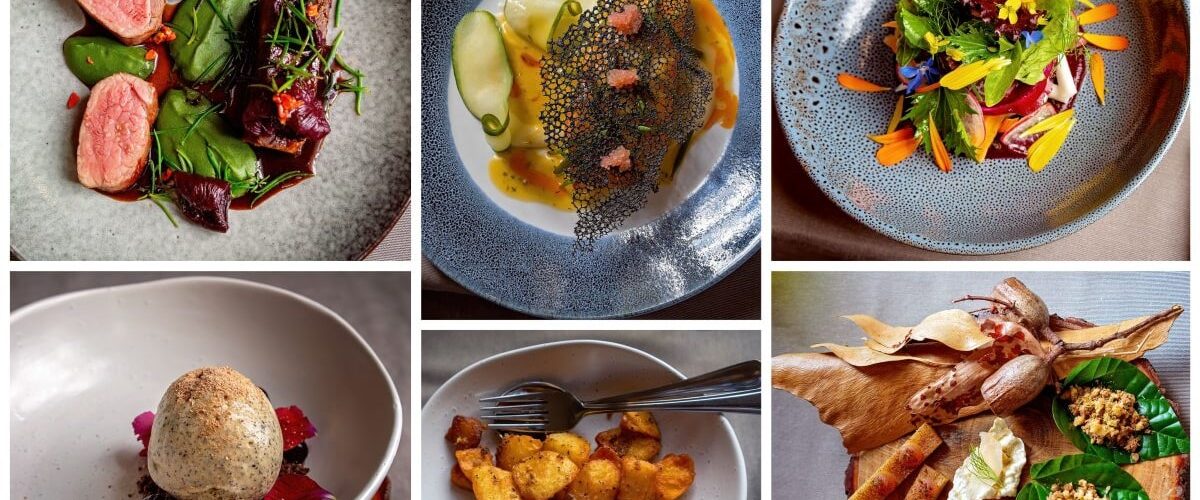
Many restaurants have embraced this trend as a way to provide customers with the best possible dining experience and promote sustainability.
The Importance of Seasonal Food
Seasonal food is not only fresher, but it also has a better taste and nutritional value. When fruits and vegetables are picked at the right time, they are packed with flavor and nutrients that can benefit our health. In addition, seasonal food is often more affordable since it doesn’t have to be transported from far away or kept in cold storage for long periods of time.
How Restaurants Incorporate Seasonality into their Menus
Restaurants can incorporate seasonality into their menus by offering specials made with ingredients that are currently in season. For example, in the summer months, restaurants may feature dishes made with juicy watermelon or ripe strawberries, while in the fall, pumpkin and butternut squash are popular choices.
Seasonal Factors that Impact the Restaurant Industry
Seasonal factors affect everything from menu items, pricing, marketing to customer preferences. In this article, we will explore some of the ways that seasonality affects the restaurant industry.
Menu Changes
Changing the menu according to the season is an essential factor that can impact the restaurant industry. During summer, customers are more likely to prefer light and refreshing foods such as salads, seafood, and grilled meats. On the other hand, during winter, customers prefer warm and hearty dishes such as soups, stews, and comfort foods. Restaurants must be aware of these seasonal preferences and adjust their menus accordingly. For instance, restaurants can introduce seasonal specials and limited-time menu items that cater to customer preferences.
Availability of Ingredients
In addition to menu changes, the availability of ingredients also impacts the restaurant industry. Some ingredients are only available during certain seasons, making it challenging for restaurants to serve certain dishes throughout the year. For example, fruits and vegetables such as watermelon, cantaloupe, and peaches are only available during the summer months. Restaurants must adjust their menus to accommodate the availability of ingredients and ensure they source fresh and local produce that meets their customers’ expectations.
Pricing
Seasonal changes can also impact pricing in the restaurant industry. Some ingredients may be more expensive during certain seasons due to supply and demand issues. Restaurants must adjust their prices accordingly to remain competitive. They can also use pricing strategies such as offering discounts during the offseason to attract customers.
Marketing
Marketing is another critical factor in the restaurant industry that can be impacted by seasonal changes. Restaurants must adjust their marketing campaigns to cater to seasonal trends and preferences. For example, during the summer months, restaurants can use social media platforms and online advertising to promote their outdoor seating areas, summer cocktails, and seasonal specials. On the other hand, during the winter months, restaurants can shift their marketing efforts to highlight warm and hearty dishes, indoor seating areas, and holiday promotions.
Customer Preferences
Seasonal changes also influence customer preferences in the restaurant industry. Customers are more likely to seek out foods and drinks that match the seasonal weather and holidays. For instance, customers are more likely to order pumpkin spice lattes, apple cider, and cinnamon-flavored treats during the fall season. Similarly, during the summer months, customers prefer lighter and refreshing options such as iced tea, smoothies, and salads. Restaurants must adjust their offerings to ensure they meet customer expectations and preferences.
Understanding the Slow Season for Restaurants
The slow season in the restaurant industry typically occurs during the winter months, from January through March. This period is characterized by a decrease in foot traffic, resulting in lower sales and revenue for restaurant owners.
There are several reasons why restaurants experience a slowdown during the winter months. Firstly, people tend to eat out less due to the cold weather, preferring to stay indoors instead. Additionally, many people are still recovering from the expenses incurred during the holiday season, which affects their spending habits.
Another factor that contributes to the slow season is the availability of seasonal produce. During the winter months, there is a limited supply of fresh produce, which makes it difficult for restaurants to create new menu items and attract customers.
Surviving the Highs and Lows of Seasonal Menu Restaurants
Seasonal menu restaurants are a great way to keep up with the latest food trends and ensure that your customers are getting the freshest ingredients possible. However, these restaurants can also experience highs and lows throughout the year due to changes in the availability of certain ingredients and fluctuations in customer demand.
Preparing for the Highs
During peak seasons, it is important to have a solid plan in place to handle the increased demand for certain dishes. Consider hiring additional staff members or extending your hours of operation to accommodate more customers. It is also a good idea to stock up on popular ingredients ahead of time to avoid running out during busy periods.
Another effective strategy is to promote your seasonal menu heavily on social media and other marketing channels. This will help generate buzz and attract new customers to your restaurant.
Navigating the Lows
When business slows down during off-seasons, it is important to stay proactive and creative in order to keep your customers engaged. One approach is to introduce new specials or limited-time menu items that highlight the unique ingredients available during that period.
You can also experiment with different marketing strategies, such as hosting special events or offering discounts to regular customers. This can help drive traffic to your restaurant and keep things interesting for your clientele.
Staying Adaptable
Ultimately, surviving the ups and downs of seasonal menu restaurants requires a flexible mindset and a willingness to adapt to changing circumstances. By keeping an eye on industry trends, listening to customer feedback, and consistently experimenting with new ideas, you can build a loyal following and stay successful even in the face of challenges.
So, whether you are experiencing a surge in business or weathering a slow period, remember to stay focused on providing high-quality food and excellent customer service. By doing so, you can ensure that your restaurant stays in the game for the long haul.
How to Plan for Restaurant Seasonality
Step 1: Research Seasonal Trends
The first step in planning for seasonality is to research seasonal food trends. This will help you determine what foods are in demand during each season and adjust your menu accordingly. You can use online resources such as the National Restaurant Association or local food blogs to stay up-to-date with current food trends and popular ingredients.
Step 2: Develop a Seasonal Marketing Plan
A seasonal marketing plan is crucial in promoting your seasonal menu items and attracting customers during peak seasons. Use social media platforms such as Facebook, Instagram, and Twitter to showcase your seasonal menu items and offer promotions and discounts to entice customers. You should also consider creating seasonal events or specials to generate buzz and encourage repeat business.
Step 3: Adjust Your Menu
Once you have researched seasonal food trends and developed a seasonal marketing plan, it’s time to adjust your menu. Incorporate seasonal ingredients into your dishes and remove items that are not in season. This will give your menu a fresh and exciting feel and attract customers who are looking for seasonal flavors.
Step 4: Train Your Staff
Your staff plays a critical role in executing your seasonal menu and providing excellent customer service. Make sure they are knowledgeable about the seasonal menu items and can make recommendations to customers. You may also want to consider hosting training sessions to educate your staff on the benefits of seasonality and how it can benefit your business.
Step 5: Monitor Your Progress
Finally, it’s important to monitor your progress during peak seasons to determine what is working and what needs improvement. Keep track of your sales, customer feedback, and social media engagement to gauge the success of your seasonal menu items and marketing efforts. Use this information to make adjustments and prepare for the next season.
Conclusion
Restaurant seasonality is an important trend that can benefit both the restaurant industry and customers. By incorporating seasonal ingredients into their menus, restaurants can offer customers a unique and delicious dining experience while promoting sustainability and supporting local businesses.
Planning for restaurant seasonality is essential for the long-term success of your business. By researching seasonal trends, developing a seasonal marketing plan, adjusting your menu, training your staff, and monitoring your progress, you can attract more customers and increase your revenue during peak seasons. The analysis of the restaurant performance includes a detailed sales report highlighting seasonal changes.