There are several key components that should be included in a restaurant risk management:
- Identifying Risks: This involves conducting a comprehensive inspection of the restaurant to identify any potential risks, such as slippery floors, malfunctioning equipment, or inadequate ventilation.
- Assessing Risks: Once hazards have been identified, it is important to assess the level of risk associated with each one. This may involve considering factors such as the likelihood of an incident occurring and the potential impact it could have on customers, employees, and the business as a whole.
- Managing Risks: After assessing the risks, the next step is to implement controls to mitigate them. This may involve making physical changes to the restaurant, such as installing non-slip flooring or updating equipment, as well as establishing procedures and protocols for staff to follow in order to reduce the likelihood of accidents. This plan should include specific strategies for monitoring, controlling, and responding to risks as they arise.
Common Risks in the Restaurant Industry
The first step in developing a response strategy is to identify potential risks that could impact your restaurant. Common risks include:
- Food safety hazards
- Slips, trips, and falls
- Employee theft
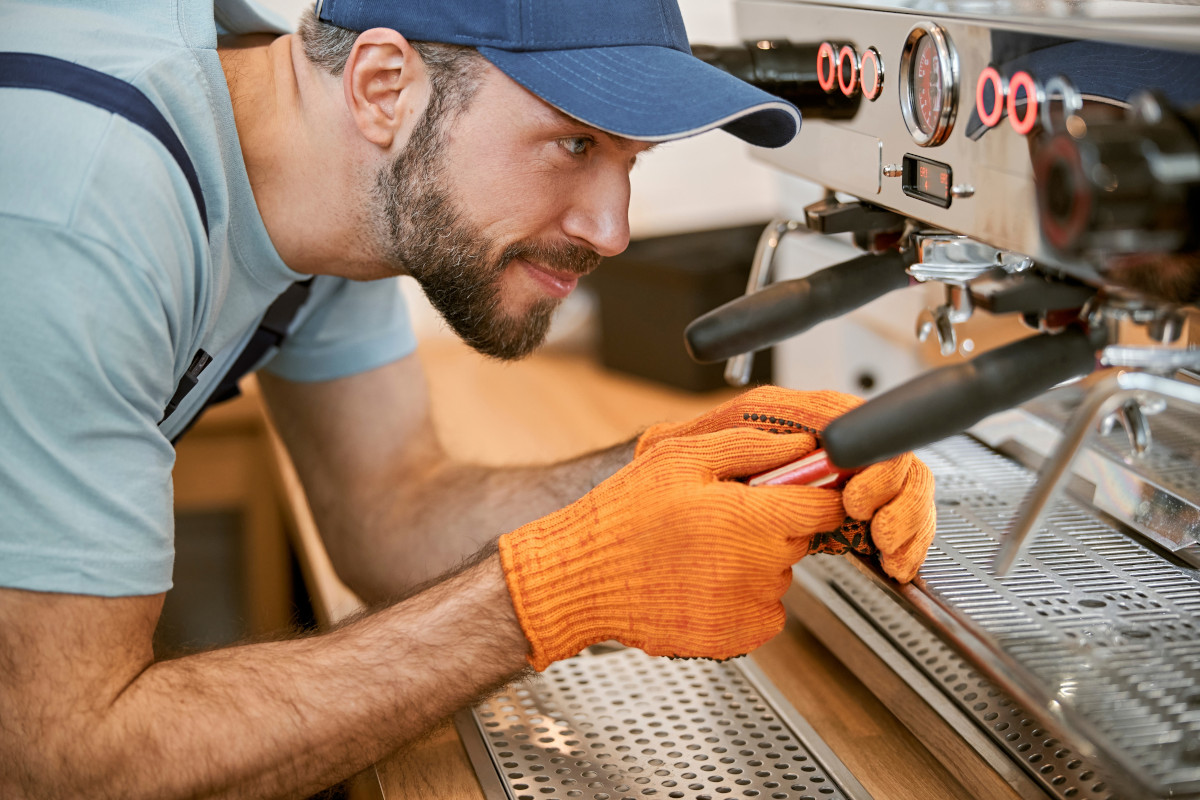
- Equipment malfunctions
- Property damage
- Employee injuries
- Customer complaints
- Supply chain disruptions
Food Safety
One of the biggest risks in the restaurant industry is food safety. Improper handling of food can lead to foodborne illnesses, which can be detrimental to both your customers’ health and your restaurant’s reputation. It is crucial for restaurant owners to implement strict protocols for food preparation, storage, and handling to ensure that food is safe to consume.
Employee Injuries
Working in a restaurant can be physically demanding, and employees are at risk of injuries such as slips, trips, and falls. It is important for restaurant owners to provide proper training to their staff on how to safely perform their duties and to maintain a clean and organized work environment to reduce the risk of accidents.
Fire Hazards
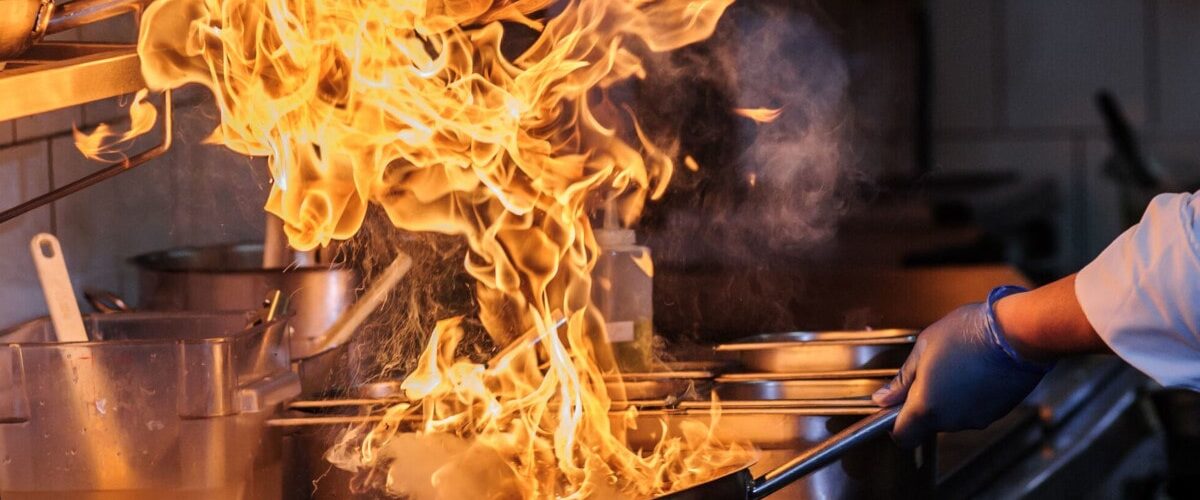
Restaurants are at high risk for fires due to the use of cooking equipment and flammable materials. It is essential for restaurant owners to have fire prevention measures in place, such as installing fire alarms, extinguishers, and sprinkler systems, and conducting regular inspections to ensure that all equipment is in working order.
Steps in the Restaurant Risk Management
Creating a risk management plan is essential for identifying potential hazards and implementing measures to minimize their impact. Here are five steps to develop an effective risk management plan for your restaurant:
- Identify Potential Risks: Start by conducting a thorough assessment of your restaurant to identify potential risks. This includes hazards such as slippery floors, foodborne illnesses, equipment malfunctions, and security threats. By understanding the specific risks that your restaurant faces, you can develop targeted strategies to address them.
- Assess Risk Impact: Once you have identified potential risks, assess their potential impact on your restaurant. Consider factors such as the likelihood of occurrence, severity of consequences, and financial implications. This will help you prioritize risks and allocate resources effectively to mitigate them.
- Implement Risk Controls: Develop and implement risk controls to reduce the likelihood and severity of identified risks. This may include implementing safety protocols, training employees on proper procedures, installing security systems, and conducting regular maintenance checks. By proactively addressing risks, you can minimize their impact on your restaurant.
- Monitor and Review: Regularly monitor and review your risk management plan to ensure its effectiveness. Conduct routine inspections, gather feedback from employees and customers, and stay informed about industry best practices. Adjust your risk controls as needed to address new or evolving risks and improve overall safety measures.
- Communicate and Train: Effective communication and training are essential components of a successful risk management plan. Clearly communicate safety policies and procedures to all employees, and provide ongoing training to ensure they understand and follow them. Encourage open communication about potential risks and empower employees to report any concerns or incidents promptly.
By following these five steps, you can develop a comprehensive risk management plan that helps protect your restaurant, employees, and customers from potential hazards. Prioritizing safety and taking proactive measures to mitigate risks not only safeguards your business but also builds trust and loyalty among patrons.
How Technology Helps Manage Risks
One of the key ways that technology can help with restaurant risk management is through the use of digital monitoring systems. These systems can track various aspects of the restaurant operation, such as food temperatures, equipment maintenance, and employee training records. By keeping a close eye on these critical areas, restaurant owners can identify any potential risks early on and take proactive measures to address them before they escalate into more significant problems.
Another way that technology can assist with risk management in restaurants is through the use of automated scheduling software. This type of software can help managers create efficient and effective schedules for their employees, reducing the risk of fatigue-related accidents and ensuring that the right staff members are on hand during peak business hours. Additionally, automated scheduling software can help to prevent labor law violations and ensure that employees are compensated fairly for their work.
Technology can also be used to improve communication within the restaurant, which is essential for managing risks effectively. For example, communication tools like messaging apps and digital task management platforms can help employees stay connected and informed about important safety procedures and protocols. In the event of an emergency, these tools can also facilitate quick and efficient communication between staff members and management, allowing for a swift response to any potential risks or threats.
In conclusion, technology plays a vital role in helping restaurants manage risks and create a safe and secure environment for everyone involved. By leveraging digital monitoring systems, automated scheduling software, and communication tools, restaurant owners can proactively identify and address potential risks, ultimately improving the overall safety and success of your establishment.