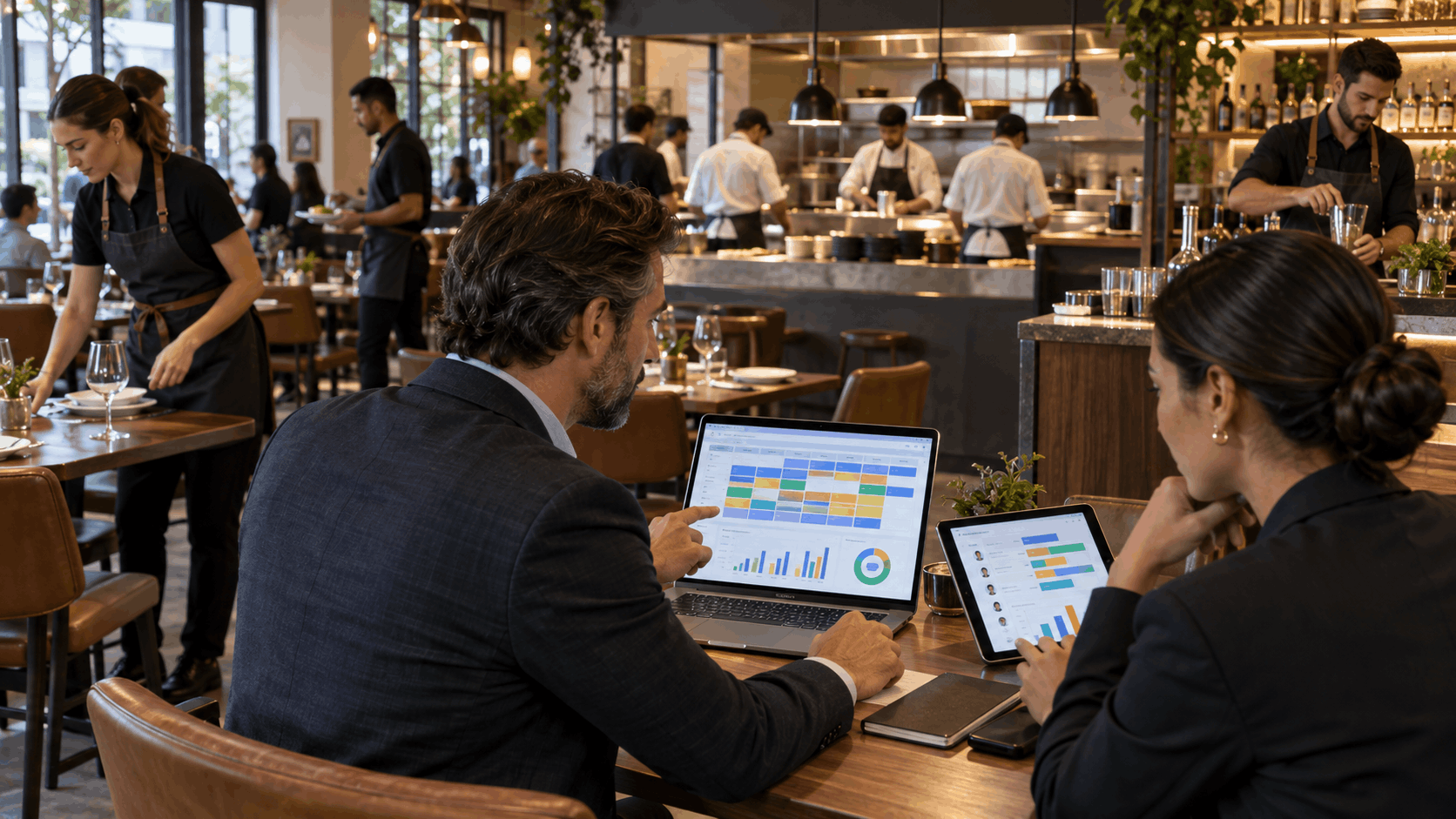


Value Chain Analysis in Restaurants

Value Chain Analysis in Restaurants

Understanding the Value Chain

The value chain consists of primary and support activities that contribute to the overall performance of a restaurant. Primary activities involve the direct creation and delivery of food services, while support activities facilitate these processes.

Primary Activities

  • Inbound Logistics: This includes the procurement of raw materials, inventory management, and supplier relationships. Effective management ensures quality ingredients and timely deliveries, minimizing waste and reducing costs.
  • Operations: Focus on the cooking and preparation processes. Streamlining kitchen operations through efficient workflows, training staff, and utilizing technology can enhance productivity and food quality.
  • Outbound Logistics: In a restaurant context, this involves serving food to customers. Ensuring quick turnaround times and accuracy in orders contributes to a superior dining experience.
  • Marketing and Sales: Developing effective marketing strategies to attract customers is essential. Utilizing social media, promotions, and unique value propositions can increase visibility and drive sales.
  • Service: Providing excellent customer service enhances guest satisfaction and encourages repeat business. Training staff to handle customer inquiries and complaints effectively is vital.

Support Activities

  • Procurement: Building strong relationships with suppliers and negotiating favorable terms can lead to cost savings and better quality ingredients.
  • Technology Development: Implementing technology solutions, such as point-of-sale systems, online reservations, and inventory management software, can streamline operations and improve efficiency.
  • Human Resource Management: Recruiting, training, and retaining skilled staff is essential to maintaining high service standards and operational effectiveness.
  • Company Infrastructure: This encompasses management, finance, and planning functions. A well-structured organizational framework supports effective decision-making and strategic planning.

Analyzing the Value Chain

To effectively analyze the value chain, restaurants should take the following steps:

  1. Identify Key Activities: Break down each stage of the value chain and map out all activities involved.
  2. Assess Current Performance: Evaluate each activity based on efficiency, quality, and customer satisfaction metrics.
  3. Benchmark Against Competitors: Compare performance data with industry standards and competitors to identify gaps and opportunities.
  4. Gather Feedback: Collect input from employees and customers to gain insights into what works well and areas needing improvement.
  5. Prioritize Improvements: Based on the analysis, prioritize initiatives that will have the most significant impact on enhancing value.

Improving the Value Chain

Once the analysis is complete, restaurants can implement targeted strategies to improve their value chain:

  • Enhance Supplier Relationships: Work closely with suppliers to ensure high-quality products and negotiate better pricing.
  • Optimize Menu Design: Analyze menu items’ profitability and popularity, adjusting offerings to focus on best-sellers and seasonal ingredients.
  • Leverage Technology: Invest in modern technology to automate processes, improve order accuracy, and enhance customer engagement.
  • Train Staff Regularly: Continuous training programs help maintain high service standards and empower employees to deliver exceptional experiences.
  • Monitor and Adjust: Regularly review performance metrics and customer feedback to adapt strategies and remain competitive.

Conclusion

By conducting a thorough value chain analysis, restaurants can uncover inefficiencies and opportunities for improvement across their operations. Implementing changes based on this analysis not only enhances the overall customer experience but also drives profitability and long-term success in the highly competitive restaurant industry.

Read the same way

Key Indicators (KPIs) Is a higher average check enough to guarantee higher restaurant revenue?

Is a higher average check enough to guarantee higher restaurant revenue?

Restaurant revenue cannot be planned from average check alone. A reliable forecast connects guest traffic, order volume, average spend, table turnover, trading hours, capacity and sales channels. This article shows how restaurant managers can build a driver-based sales plan and link revenue assumptions to labour, food cost and cash flow.
Sales management in restaurant Restaurant Discounts and Promotions: How to Measure Their Real Economic Impact

Restaurant Discounts and Promotions: How to Measure Their Real Economic Impact

Restaurant discounts should be measured by economic impact, not sales growth alone. This article explains how to evaluate promotions using baseline demand, uplift, cannibalisation, sales mix, discount depth, variable costs and contribution margin. It shows how restaurant managers can identify real incremental value and turn promotional analysis into better decisions.


Basics of management accounting Как наладить эффективную систему управления запасами в ресторане?

Как наладить эффективную систему управления запасами в ресторане?

Эффективное управление запасами в ресторане для обеспечения бесперебойной работы, минимизации отходов и максимизации прибыльности также важно как наличие вкусной еды и отличного обслуживания клиентов. И для этого в игру вступает управление запасами ресторана.

Business planning Restaurant Competitive Analysis: From Market Comparison to Revenue Decisions

Restaurant Competitive Analysis: From Market Comparison to Revenue Decisions

Restaurant competitive analysis refers to the systematic evaluation of direct and indirect competitors in the food service sector.

Basics of management accounting Restaurant CAPEX: Investment in Equipment, Capacity and Growth

Restaurant CAPEX: Investment in Equipment, Capacity and Growth

Restaurant CAPEX should be evaluated as an investment in operating capability, not simply as equipment spending. This article explains how capital expenditure connects to capacity, utilisation, productivity, downtime, maintenance, margin and cash flow. It provides a practical framework for assessing expansion, modernisation, repair and replacement decisions, helping restaurant managers measure the economic return generated by assets over time more effectively.

Business planning Restaurant Market Analysis: From Market Demand to Sales Forecast

Restaurant Market Analysis: From Market Demand to Sales Forecast

Restaurant market analysis should connect external demand with measurable sales and financial outcomes. This article explains how to assess market capacity, customer segments, traffic, conversion, average check, pricing, sales mix, channels and seasonality. It shows how to build a factor-based sales forecast, distinguish controllable from external drivers, and translate market findings into practical restaurant management decisions and ongoing performance control.


Practical guide to analyzing the sales of a restaurant

Don't let financial problems interfere with the success of your restaurant. Take advantage of Use our restaurant analysis services today and find out how we can help you accept sound financial decisions, increase profitability and ensure a prosperous the future for your business. Fill out the form and we will contact you within one business day.

BOOK RELEASE DATE
August 30, 2024

AVAILABLE TO ALL CUSTOMERS AND USERS OF THE SYSTEM