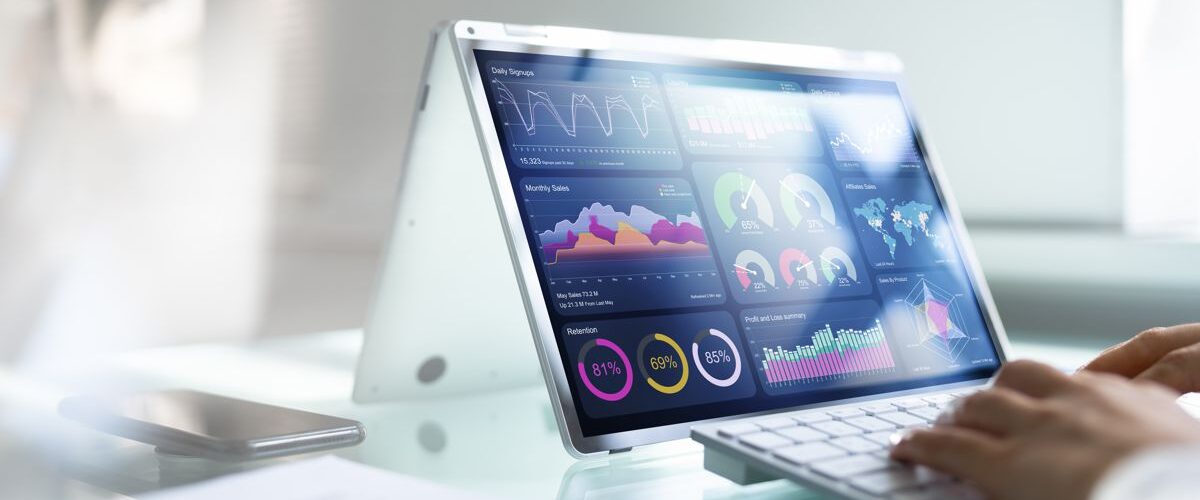
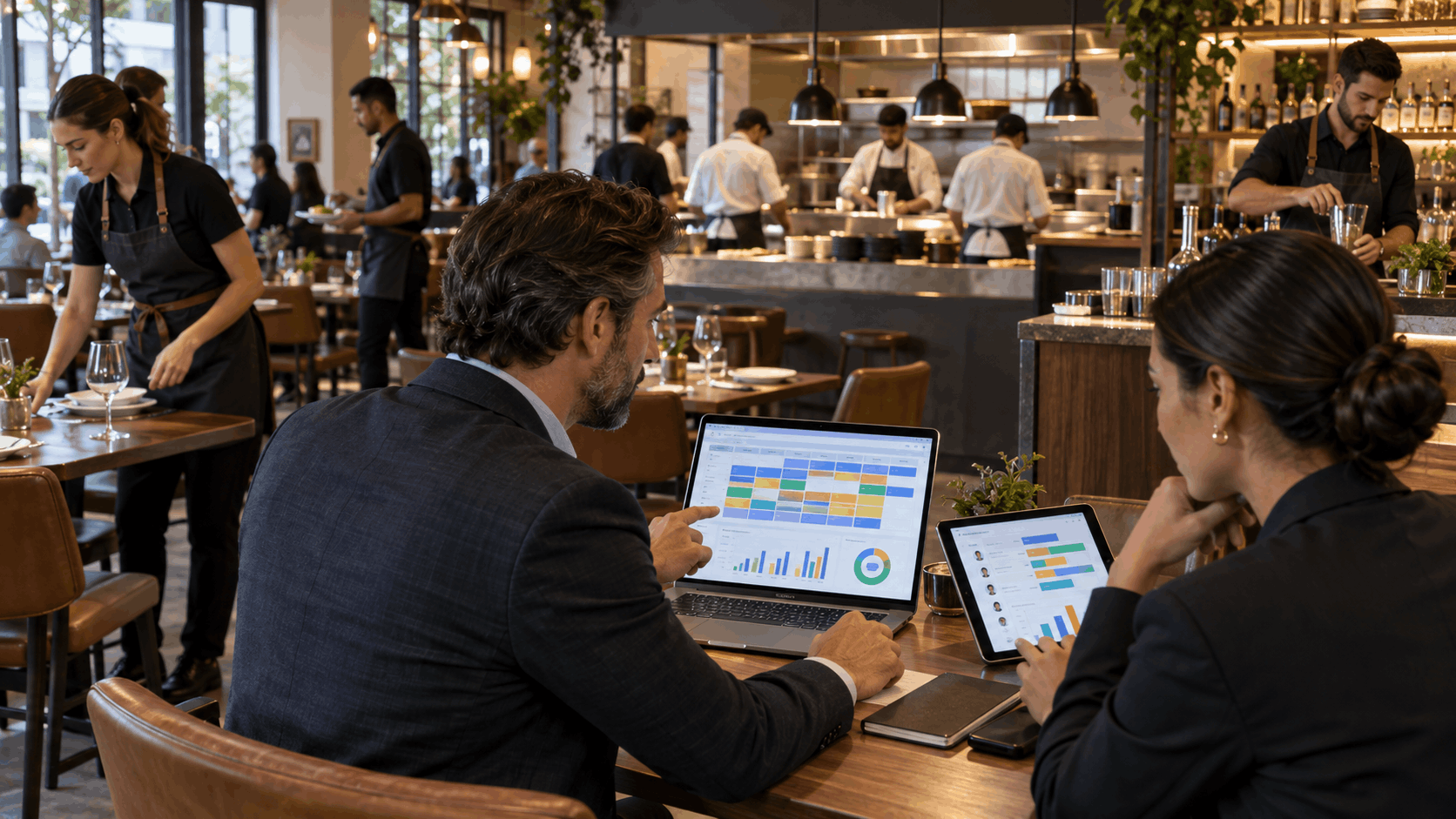
A restaurant dashboard is a web-based tool or mobile application that provides real-time data about various aspects of a restaurant business. It helps in identifying areas that need improvement and provides insights into how to enhance the overall performance of the business.
Why do you need a restaurant dashboard?
A restaurant dashboard is essential for any restaurant business as it helps in keeping track of important metrics such as sales, expenses, and profitability. The restaurant dashboard provides a comprehensive view of the restaurant’s financial health, including revenue streams, expenses, and profit margins. It also helps in identifying trends and patterns in customer behavior, menu items, and operational efficiency.
Using KPIs and dashboards can help you identify areas of improvement in your restaurant business. It allows you to track progress over time and make informed decisions about where to allocate resources. For example, if you notice that your table turnover rate is low, you can create strategies to improve it, such as reducing wait times or increasing the number of servers. By using KPIs and dashboards, you can also set goals for your restaurant and track progress towards those goals.
What are the benefits of using a restaurant dashboard?
- Improved Sales Performance: Dashboards provide real-time insights into sales trends and customer behavior. This helps restaurant managers identify the most popular menu items, peak hours, and customer preferences. By analyzing this data, managers can make changes to their menu offerings or promotions to boost sales.
- Real-time tracking: One of the key benefits of using a restaurant dashboard is that it provides real-time data about various aspects of the restaurant business. This means that managers can keep track of sales, expenses, and other important metrics in real-time, allowing them to make quick decisions and adjustments as needed.
- Data-driven decisions: The restaurant dashboard provides valuable insights into customer behavior, menu items, and operational efficiency. This information allows restaurant owners to make data-driven decisions and develop strategies to improve the overall performance of the business.
- Improved operational efficiency: With the help of a restaurant dashboard, managers can identify areas that need improvement and optimize their operations. This can lead to reduced costs, increased productivity, and better customer experiences.
- Effective Marketing Strategies: Dashboards help managers identify the most effective marketing campaigns that drive traffic to the restaurant. By analyzing customer feedback and social media engagement, managers can tailor marketing strategies to better reach their target audience.
Understanding the Difference Between KPIs and Dashboards in Restaurant Business
These two terms often get confused with each other, which can lead to confusion and mismanagement.
What are KPIs?
KPIs are measurable values that indicate how well your restaurant business is performing. They help you track progress and identify areas that need improvement. These metrics can be financial, operational, or customer-related. Some common KPIs for restaurants include sales growth rate, customer satisfaction rating, table turnover rate, and employee turnover rate.
What is a Dashboard?
A dashboard is a visual representation of your restaurant’s KPIs and other data. It provides an overview of your restaurant’s performance at a glance and allows you to drill down into specific metrics for more detailed analysis. A restaurant dashboard typically includes tables, charts, graphs, and other visual elements that make it easy to understand and interpret data. Different departments in your restaurant, such as marketing, finance, and operations, may use different dashboards that are tailored to their specific needs.
The Difference Between KPIs and Dashboards
While KPIs and dashboards are related, they serve different purposes. KPIs are the metrics that you want to measure and track over time, while dashboards are the tools that you use to visualize and analyze those metrics. Dashboards bring together multiple KPIs on a single page, allowing you to see how they affect each other and your overall restaurant business performance.
Why Using the Restaurant Dashboard is Essential for Your Business
The restaurant dashboard is an excellent tool that provides insights into your business operations, including sales, inventory, customer data, and more. Here are some reasons why using the restaurant dashboard is essential for the growth of your business:
- Accurate Data Analysis
With the restaurant dashboard, you can get detailed reports on your sales, expenses, and revenue. You can easily track your cash flow and monitor your expenses to identify areas where you can cut down on costs. Additionally, you can analyze customer behavior, such as their preferences, feedback, and complaints. This information will help you improve your services and enhance customer satisfaction.
- Better Decision Making
The restaurant dashboard provides real-time data that allows you to make informed decisions about your business. For example, if you notice that a particular dish is not selling well, you can remove it from the menu, or if you see that most of your customers prefer a specific item, you can increase its availability. With this information at your fingertips, you can make strategic decisions that will drive growth and profitability.
- Streamlined Operations
The restaurant dashboard allows you to manage your inventory efficiently by tracking the ingredients and supplies used in each dish. This information ensures that you never run out of stock and can order items before they run out. Furthermore, you can schedule staff based on peak hours, which helps in reducing labor costs while maintaining high-quality services.
- Improved Communication
The restaurant dashboard allows you to share information and reports with your team members, creating transparency and accountability. You can set goals and targets for each employee and track their performance, which helps in motivating them and improving their skills. Moreover, the dashboard provides a centralized platform for storing data and information that everyone can access, reducing miscommunication and misunderstandings.
Implementing a CEO Dashboard
Implementing a CEO dashboard can seem daunting, but it doesn’t have to be. There are many software solutions available that make it easy to track KPIs and visualize your restaurant’s performance metrics. By utilizing a CEO dashboard, you can keep your finger on the pulse of your business and make data-driven decisions that will drive success.
The first step to implementing a restaurant dashboard is to decide on a software program that fits your business’s needs.
Once you’ve selected a program, you’ll need to input your business’s performance data. This may take some time upfront, but the payoff is worth it in the long run.
Finally, spend time familiarizing yourself with the platform and its capabilities. Many restaurant dashboards solution providers offer training and resources to help you get started.
Conclusion
KPIs are essential components of a successful CEO dashboard for the restaurant industry. By tracking KPIs like sales per table, average check amount, cover count, labor costs as a percentage of sales, and food cost percentage, restaurant owners and managers can gain valuable insights into their business operations. Implementing a CEO dashboard can help you stay on top of your game and make informed decisions that will drive profitability and improve customer satisfaction.