If you’re looking to optimize your chain restaurant management and operations, here are some tips to help you succeed:
- Streamline Your Supply Chain
The food supply chain is the backbone of any restaurant business. To ensure your chain restaurants operate efficiently, it’s essential to streamline your supply chain. This could involve partnering with reliable suppliers, establishing clear communication channels, and negotiating favorable pricing terms for bulk orders.
If you’re struggling with supply chain management, consider investing in restaurant management software that can help you track inventory levels, streamline ordering processes, and manage deliveries from multiple vendors.
- Develop Standard Operating Procedures
Developing standard operating procedures (SOPs) is critical to ensuring consistency across all your locations. SOPs should cover everything from food preparation and cooking techniques to customer service and marketing strategies. Make sure your SOPs are easy to follow and accessible to all staff members.
By implementing SOPs, you can help ensure that every customer has a similar experience no matter which location they visit. This can go a long way in building a loyal customer base and driving repeat business.
- Provide Staff Training
Training your staff is crucial to maintaining high levels of customer service and operational efficiency. Make sure all staff members are trained on your SOPs, including food safety protocols, customer service standards, and sales techniques.
You may also want to consider offering ongoing training and development opportunities for your staff, such as workshops, seminars, and certification programs. This can help keep your team engaged and motivated while improving their skills and knowledge.
- Utilize Technology
Technology can play a significant role in optimizing chain restaurant management and operations. From online ordering systems and mobile apps to automated inventory management and POS systems, there are plenty of tools available to help you streamline your business processes.
Investing in technology can not only help you reduce costs and improve efficiency but also enhance the customer experience. For example, implementing a loyalty program or digital menu boards can help drive sales and increase customer engagement.
- Monitor Performance Metrics
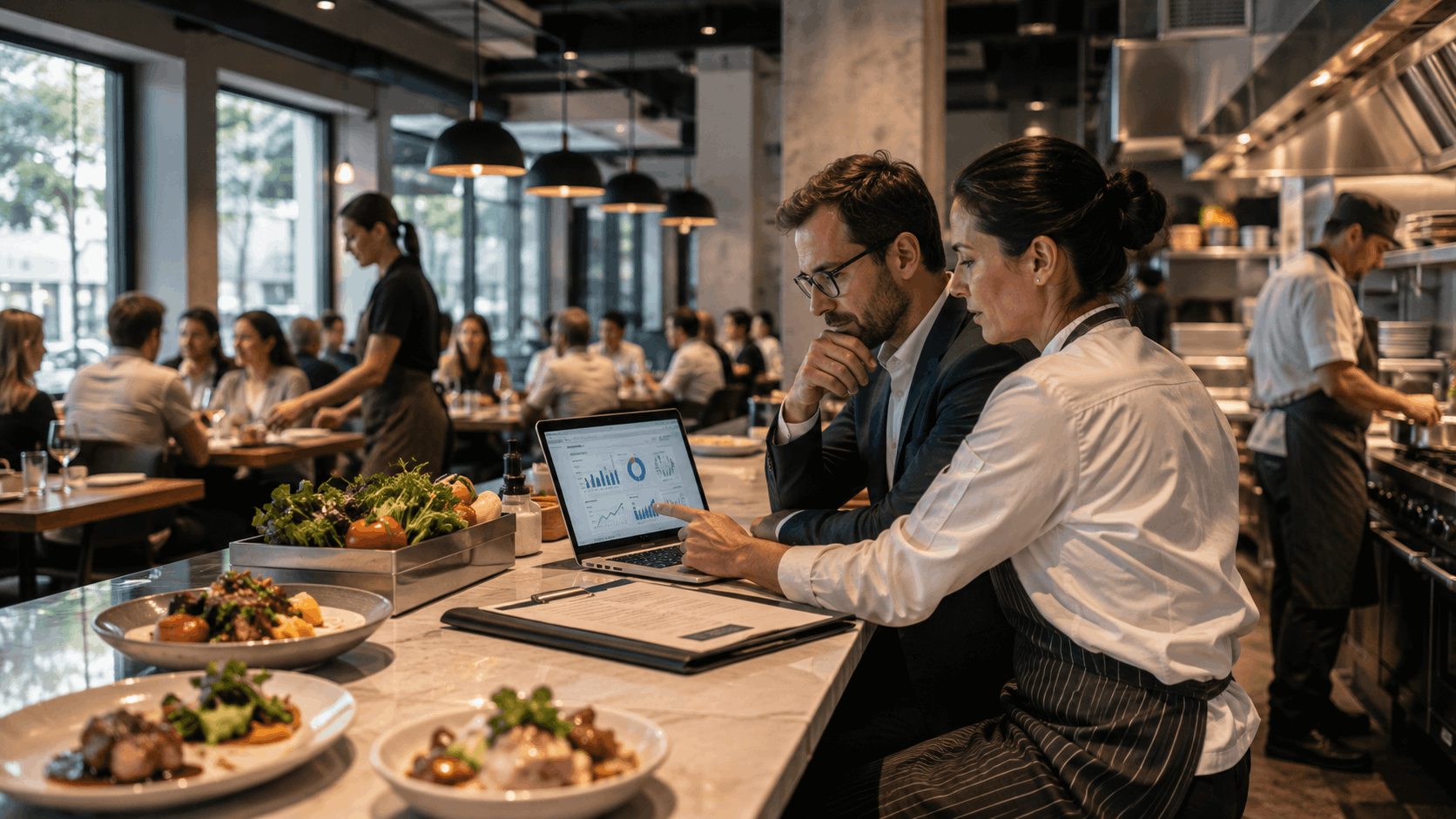
To ensure that your chain restaurants are performing at their best, you need to track key performance metrics regularly. These could include sales figures, customer satisfaction ratings, employee turnover rates, and food cost percentages.
By tracking these metrics, you can identify areas for improvement and make data-driven decisions to optimize your business. It’s also essential to communicate your findings with your staff so that everyone is working towards common goals and objectives.
Understanding Restaurant Supply Chain Management
Restaurant supply chain management refers to the process of managing the flow of goods and services from suppliers to the restaurant through various stages. A well-managed supply chain can help restaurants in controlling costs, maintaining quality, minimizing waste, and meeting customer demands.
The Importance of Restaurant Chain Management
The food industry is one of the most complex industries that rely heavily on effective supply chain management. Restaurants need to maintain a steady supply of fresh ingredients while ensuring that there is no overstocking or wastage. Moreover, they need to ensure that products are delivered on time, in the right quantity, and at the right price. All these challenges can be overcome with the right chain management. Effective restaurant chain management can benefit businesses in many ways such as:
- Cost Optimization: Reducing costs by managing inventory levels, negotiating with suppliers, and optimizing transportation costs.
- Quality Control: Ensuring that only high-quality products are used, reducing the chances of food spoilage and contamination.
- Improved Customer Experience: Ensuring that customers receive their orders on time, with fresh and high-quality ingredients.
- Supply Chain Visibility: Keeping track of every product movement, from the suppliers to the restaurant’s kitchen, making it easier to identify areas for improvement and avoid stockouts.
The Food Supply Chain
The food supply chain is the network of entities involved in producing, transporting, storing, and delivering food products from the farm to the restaurant table. It involves several stages such as harvesting, processing, packaging, transportation, warehousing, and distribution. One of the biggest challenges of managing the food supply chain is maintaining freshness and quality. Restaurants rely heavily on fresh ingredients to prepare all their meals, and any delay or spoilage in the supply chain can have a significant impact on the business’s reputation and bottom line. To overcome these challenges, restaurant owners need to work closely with suppliers and logistics providers to ensure that products are transported within the required temperature range and delivered on time to maintain optimal freshness. In conclusion, restaurant supply chain management is crucial for the success of any restaurant. It helps businesses to maintain high-quality standards while optimizing costs and improving customer satisfaction. A well-managed food supply chain can make a significant difference in a restaurant’s profitability and reputation.
Standard Operating Procedures
From the quality of food to the customer service experience, ensuring that every aspect of your business is standardized can help build brand loyalty and drive repeat business. This is where standard operating procedures (SOPs) come into play.
What are Standard Operating Procedures?
SOPs are step-by-step guides that outline how specific tasks should be performed in your restaurant. They provide detailed instructions for your staff to follow and help ensure that each task is completed consistently every time. SOPs can cover everything from food preparation to cleaning routines to customer service protocols.
Why Create SOPs?
Creating SOPs for your restaurant chain can have numerous benefits, including:
- Consistency: SOPs ensure that every task is completed the same way each time, no matter who is performing it. This ensures consistency throughout your restaurant chain and helps build trust and loyalty with your customers.
- Efficiency: SOPs can help streamline processes and reduce the time it takes to complete tasks. This can save your restaurant chain time and money in the long run.
- Quality Control: By outlining specific steps for food preparation and other tasks, SOPs can help ensure that your restaurant chain consistently delivers high-quality products and services.
- Training: SOPs provide a clear and concise roadmap for training new employees on how to perform specific tasks. This can help onboard new staff more efficiently and effectively.
- Compliance: By creating SOPs, your restaurant chain can ensure that it is meeting all regulatory requirements and industry standards.
Implementing SOPs in Your Restaurant Chain
To implement SOPs in your restaurant chain, start by identifying the tasks that require standardization. This may include food preparation, cleaning routines, and customer service protocols. Once you have identified the tasks, create a detailed guide for each one, outlining every step that needs to be taken.
Make sure that your SOPs are easily accessible to all employees and that they are trained on how to perform each task according to the SOP. Regularly review and update your SOPs to ensure that they remain relevant and effective.
How to Coach Your Staff in Restaurant Chain Management
One of the key factors in ensuring that your restaurant chain operates smoothly is coaching your staff on the different aspects of food supply chain management.
Step 1: Understand the Importance of Food Supply Chain Management
Food supply chain management is crucial to the success of any restaurant chain. It involves ensuring that the supply of food is consistent and high-quality, while also minimizing waste and controlling costs. As a manager, you should explain the importance of food supply chain management to your staff, and highlight the role they play in maintaining consistency and quality within the supply chain.
Step 2: Train Your Staff on Inventory Management
Inventory management is a key component of food supply chain management. You should train your staff on how to properly manage inventory, including how to track and monitor food supplies, and how to order new supplies when necessary. This will help to minimize waste and control costs, while also ensuring that there is always enough food available for customers.
Step 3: Teach Your Staff About Food Safety Regulations
Food safety is an important consideration in any restaurant chain, and it’s essential that your staff understand the regulations surrounding food safety. You should provide training on handling and storing food safely, as well as proper sanitation practices. This will help to prevent foodborne illnesses and ensure that your restaurant chain operates in compliance with local regulations.
Step 4: Encourage Communication and Collaboration
Effective communication and collaboration are essential in any food supply chain. You should encourage your staff to communicate regularly with each other, as well as with suppliers and vendors. This will help to ensure that everyone is on the same page and that any issues or concerns are addressed quickly and efficiently.
Step 5: Set Goals and Monitor Progress
Finally, it’s important to set goals for food supply chain management and monitor progress regularly. This will help you to identify areas for improvement and make any necessary changes to your processes. You should also recognize and reward staff who excel in food supply chain management, as this will encourage them to continue to strive for excellence.
Why You Need a Restaurant Management Software System to Run a Restaurant Chain
A restaurant management software system is a comprehensive tool designed to streamline every aspect of running a restaurant chain. Here’s why you need it:
Centralized Management
With a restaurant management software system, all your data is centralized. This means that you can manage everything from a single dashboard. You can monitor inventory levels, track sales, and even generate reports across all locations with just a few clicks.
Efficient Inventory Management
Inventory management can be a daunting task when running a restaurant chain. But with the help of a restaurant management software system, you can efficiently track inventory levels, place orders, and even receive notifications when stock levels are running low. This helps you avoid overstocking or stockouts, which can lead to costly losses.
Seamless Staff Management
Managing staff across multiple locations can be a challenge. But with a restaurant management software system, you can easily schedule shifts, track attendance, and even monitor performance. This allows you to ensure that your staff is working efficiently and effectively, which ultimately leads to better customer experiences.
Cost Savings
A restaurant management software system can also help you save costs. By streamlining operations and improving efficiency, you can reduce waste, avoid overstocking, and even negotiate better prices with suppliers. This ultimately leads to higher profits for your restaurant chain.
Conclusion
Running a successful chain restaurant requires a lot of hard work, dedication, and attention to detail. By streamlining your supply chain, developing standard operating procedures, providing staff training, utilizing technology, and monitoring performance metrics regularly, you can optimize your business and drive long-term success.