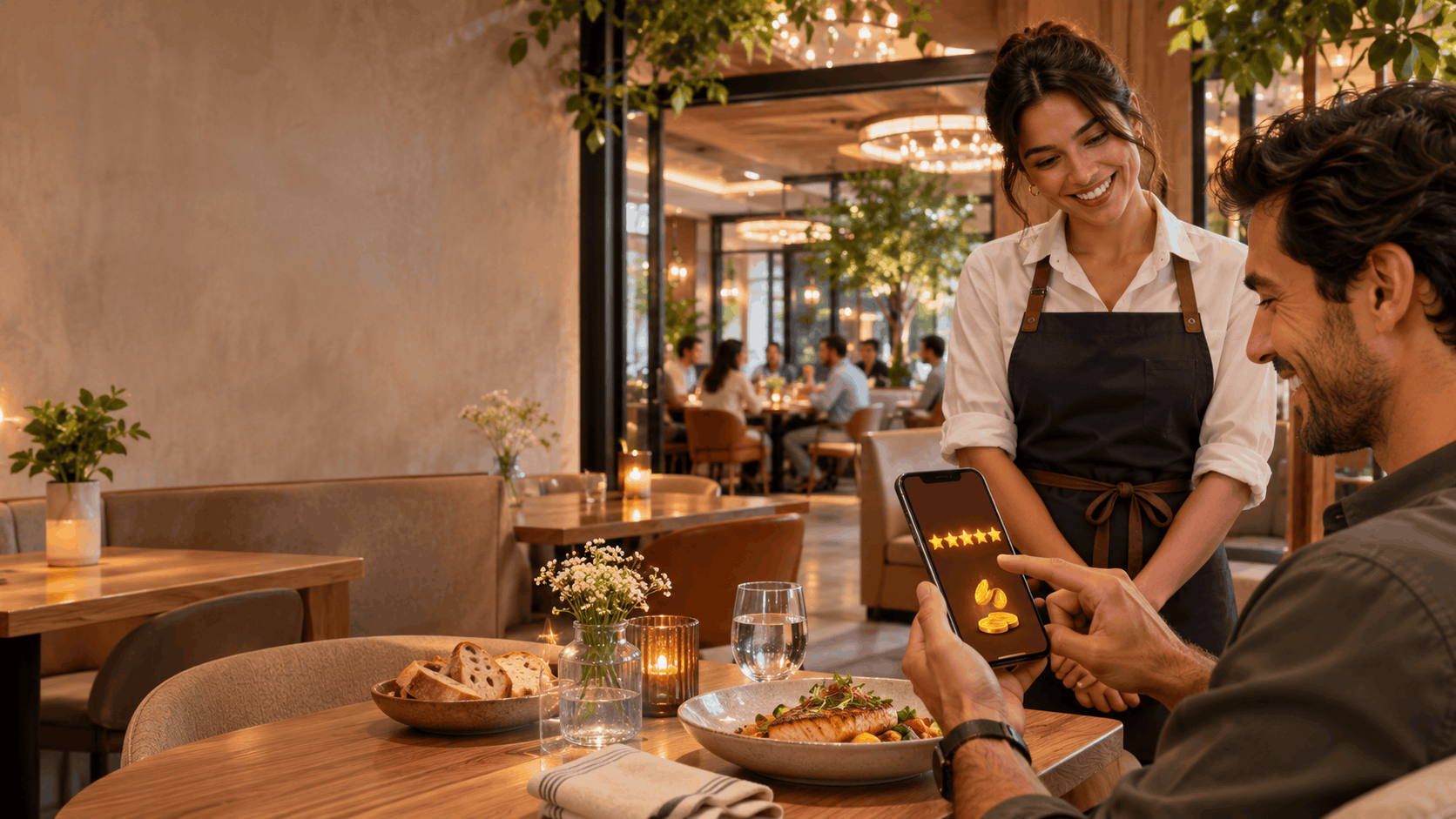
A restaurant loyalty programme gives guests a clear reason to return, while surveys help operators understand what shapes the dining experience. Discont brings these tools together to support repeat visits, promote menu offers and collect feedback. Used consistently, they help restaurants make customer engagement part of day-to-day management.
A guest’s decision to return depends on more than the food. Service, atmosphere, ordering convenience and the value they receive all contribute to the experience. Discont helps restaurants encourage repeat business with loyalty rewards and gather feedback about the parts of the visit that matter to guests.
How a Restaurant Loyalty Programme Works
A restaurant can define the rewards and participation rules that suit its concept and commercial objectives. Depending on the programme design, guests may earn points on purchases, redeem accumulated rewards on a later visit or receive special offers from the restaurant.
Give guests a reason to return
Rewards make repeat visits more valuable to the guest. A clear offer can encourage them to choose the restaurant again for lunch or dinner, explore a new menu item or take advantage of a seasonal promotion. The restaurant decides which purchases qualify, what rewards are available and how guests can use them.
Promote menu items and services
Loyalty mechanics can support specific sales objectives: introducing new dishes, increasing interest in a menu category, promoting breakfast or delivery, or drawing attention to limited-time offers. The reward should fit the offer and the restaurant’s operating model, so that the promotion is attractive to guests and commercially sensible for the business.
Benefits for Restaurant Operators
Encourage repeat visits
A well-structured programme helps the restaurant maintain a relationship with guests after the meal is over. Instead of relying only on one-off discounts, operators can create ongoing reasons to return and recognise regular customers through consistent benefits.
Make promotions more relevant
Guests respond to different offers. By setting programme rules around its menu, service format and business priorities, a restaurant can make promotions more relevant to its audience. This gives operators an alternative to expanding broad discounts that may not support a specific commercial goal.
Evaluate guest response
Participation and response to offers can help the restaurant understand which loyalty mechanics attract interest. Operators can use these observations to refine programme conditions, plan future promotions and focus on offers that guests find useful.
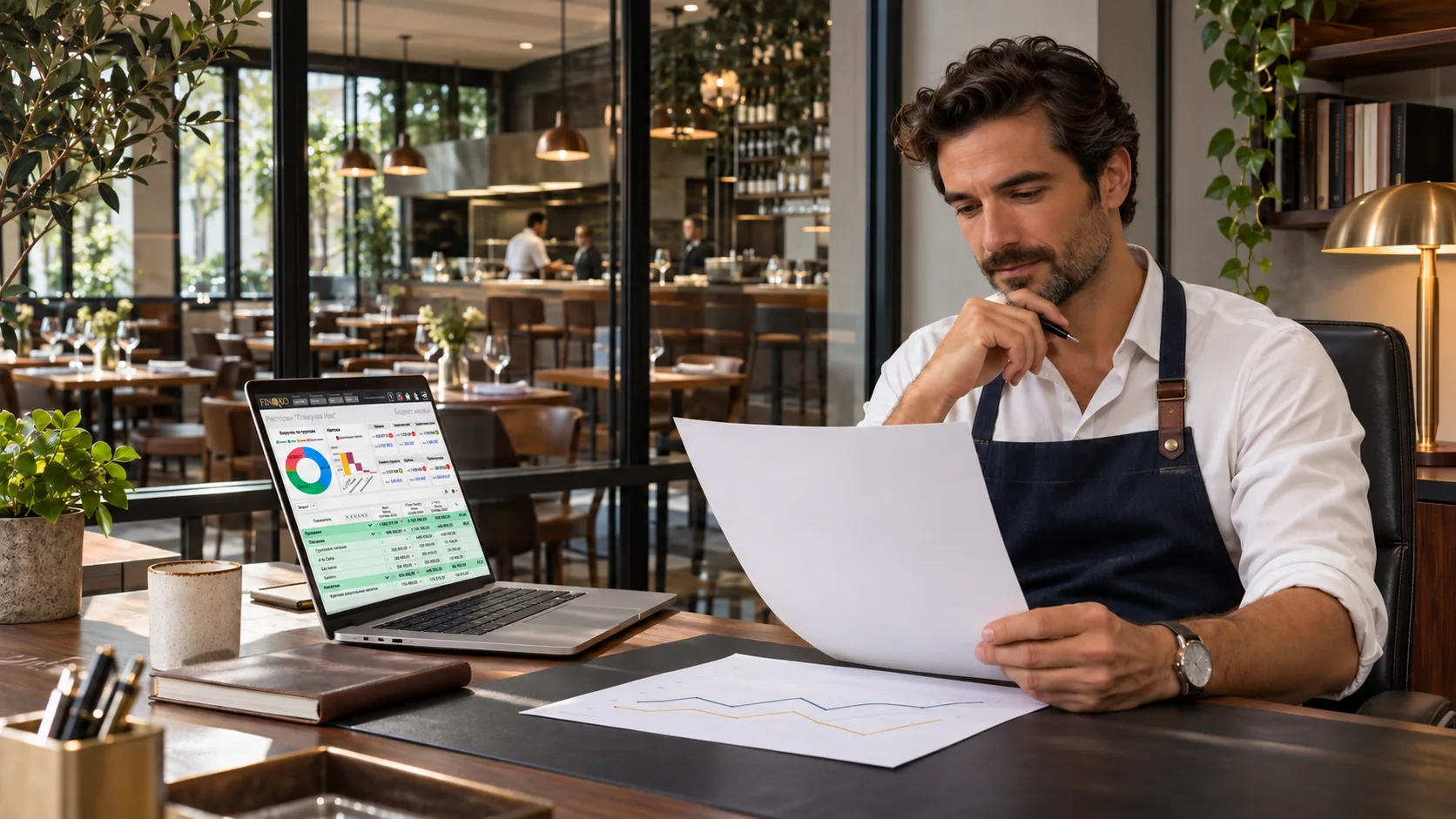
Loyalty activity can also be considered alongside broader customer and restaurant performance analysis. A restaurant can use customer relationship management principles to connect guest engagement with the information needed for management decisions.
Guest Surveys and Service Improvement
Surveys give restaurants a direct way to learn how guests experienced their visit. Questions can cover the menu, food quality, speed of service, staff attentiveness, atmosphere and ordering convenience. Guests can share what worked well and where they encountered problems.
Identify recurring issues
Individual comments may point to a specific experience; repeated feedback can reveal a process that needs attention. If guests regularly mention long waits, for example, management can review the relevant service stage. Positive responses also matter: they help identify the parts of the experience that guests value and that the restaurant should maintain.
Use feedback to guide decisions
Survey responses help managers choose what to investigate and where to focus improvement efforts. Restaurants can collect opinions about new dishes or changes to service, then review whether guest perceptions improve after adjustments. This makes feedback part of an ongoing management process rather than an occasional review exercise.
Loyalty Across a Restaurant Group
For a multi-unit restaurant business, Discont can support a loyalty programme across several locations. Shared rules can create a consistent guest experience, while the programme can also accommodate offers for a specific restaurant, format or local campaign. The setup depends on the group’s structure and data-exchange requirements.
Coordinate programme rules
Common conditions make rewards easier to understand when guests visit different locations. A restaurant group can establish consistent principles for earning and redeeming benefits, while allowing individual venues to run offers that reflect their menu or audience where appropriate.
Understand performance by location
Comparing participation and response across locations can help the group see where an offer is attracting interest and where it may need adjustment. Survey feedback can also highlight local service issues, such as menu preferences, waiting times or order handling. Management can review shared trends across the group as well as issues specific to an individual venue.
Start with a clear objective for the programme: encourage another visit, promote a menu category or learn more about service quality. Define the reward and participation rules, decide what each survey should help you understand, and assign responsibility for reviewing responses. For a restaurant group, establish the shared rules first, then identify which offers or feedback questions may vary by location. Review guest response regularly and adjust the programme based on what you learn.