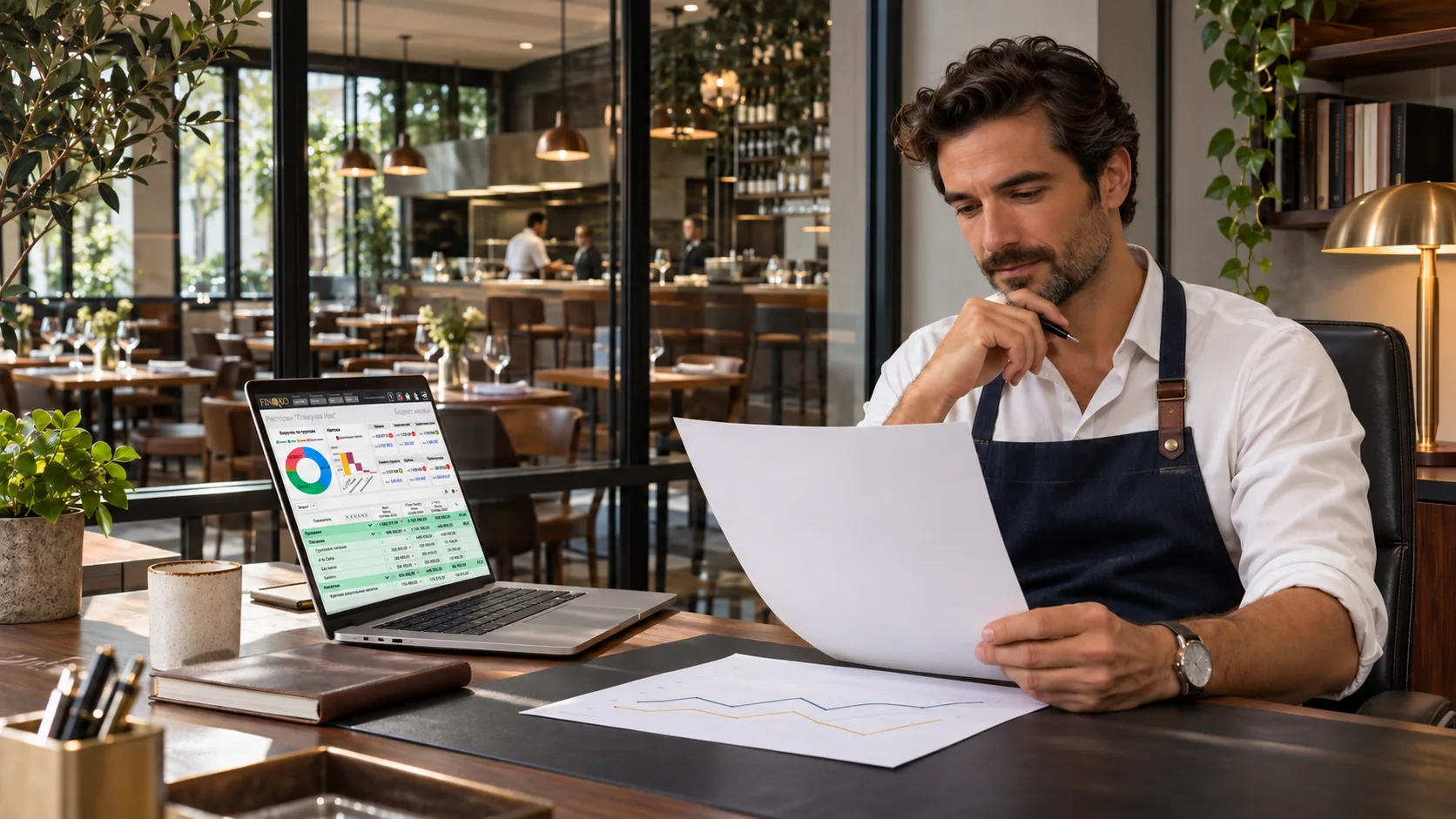
One of the key components of effective cash management is implementing proper cash control reporting. One of the key components of effective cash control is proper cash management. This involves keeping track of all cash transactions, including sales, expenses, and deposits. By maintaining accurate records of cash flow, restaurant owners can identify potential issues before they become problematic and make more informed decisions about how to allocate resources.
It is also important for restaurant owners to establish clear procedures for handling cash, such as reconciling cash registers at the end of each shift and depositing funds in a secure location on a regular basis. By following these procedures consistently, owners can reduce the risk of theft or loss and ensure that their cash flow remains stable.
Why is Cash Control Important?
Proper cash control is essential for several reasons. Firstly, it helps you track your restaurant’s cash flow and identify any discrepancies or errors in your financial records. By keeping a close eye on your cash transactions, you can quickly spot any irregularities and take corrective action before they escalate into larger issues.
Unfortunately, restaurants are common targets for dishonest employees who may try to pocket cash from the register or manipulate sales records to their advantage. By implementing strict cash handling procedures and regularly auditing your cash transactions, you can deter potential theft and protect your bottom line.
What is a Cash Receipt?
A cash receipt is a document that records the amount of money received in a transaction. In a restaurant setting, cash receipts are used to track sales and payments from customers. They provide a record of all cash transactions, helping to ensure accuracy in accounting and prevent theft or fraud.
What is Petty Cash?
Petty cash refers to a small amount of money kept on hand by a business for minor expenses. In a restaurant setting, petty cash can be used for things like buying small supplies, paying for quick repairs, or covering unexpected costs. It is important to keep track of all petty cash transactions to ensure that the money is being spent wisely and accounted for properly.
Essential Cash Handling Procedures
One of the key components of cash control in restaurants is cash management. This involves monitoring all cash transactions, including sales, deposits, and withdrawals. It is important to keep accurate records of all cash inflows and outflows to track the restaurant’s financial performance.
Cash Handling Procedures
Implementing strict cash handling procedures is essential for preventing theft and ensuring accuracy in financial transactions. Some key cash handling procedures for restaurants include:
- Implementing a Cash Handling Policy: One of the first steps in establishing effective cash control is to develop a comprehensive cash handling policy. This policy should outline procedures for cash transactions, including how cash is collected, counted, and deposited. It should also specify who is responsible for handling cash and what security measures are in place to safeguard funds.
- Segregating Duties: To reduce the risk of internal theft, it is important to segregate cash handling duties among different employees. For example, the employee who collects cash from customers should not be the same person who reconciles the cash register at the end of the day. By dividing responsibilities, restaurant owners can create a system of checks and balances that helps prevent unauthorized access to cash.
- Monitoring Cash Flow: Regularly monitoring cash flow is essential for identifying any discrepancies or irregularities in cash transactions. Restaurant owners should conduct daily cash counts, reconcile cash register receipts with sales reports, and compare actual cash deposits with expected amounts. By staying vigilant, managers can quickly detect and address any issues that may arise.
- Using Technology: Investing in technology can streamline cash management processes and enhance security. Point-of-sale (POS) systems, for example, can track cash transactions in real-time, generate detailed reports, and help identify patterns of suspicious activity. Additionally, using cash counting machines and secure cash drawers can improve accuracy and reduce the risk of human error.
- Training Employees: Providing comprehensive training to employees on proper cash handling procedures is crucial for maintaining effective cash control. Training should cover topics such as how to handle cash securely, how to identify counterfeit currency, and what to do in the event of a discrepancy. By educating staff members, restaurant owners can empower them to uphold high standards of cash management.
Understanding the Cash Drawer Report Table
The cash drawer report table is a document that shows a detailed breakdown of all the transactions that have taken place at the restaurant’s cash register. It includes information such as the date and time of each transaction, the amount of money involved, and whether it was a sale or a refund.
By analyzing this report table, restaurant owners and managers can gain valuable insights into their cash flow and identify any discrepancies or irregularities that may need further investigation. This can help them spot potential issues such as employee theft, errors in cash handling, or discrepancies in sales records.
It is important for restaurant staff to be trained on how to properly use and interpret the cash drawer report table. This includes understanding how to input data accurately, how to reconcile the cash drawer at the end of each shift, and how to identify and resolve any discrepancies that arise.
Restaurant Cash Control Digital Solutions
There are digital solutions available that can help streamline the process and ensure that your financial reporting is accurate and up-to-date. By using a digital platform to record cash transactions, you can eliminate human error and ensure that all of your financial data is accurate.
These systems also provide detailed reports that give you insight into your restaurant’s financial performance. From daily sales totals to inventory tracking, these reports can help you identify areas where you can cut costs and improve efficiency.
Another benefit of using digital solutions for cash control is the ability to integrate with other software systems, such as accounting software or point of sale systems. This integration can help streamline your financial reporting process and ensure that all of your data is consistent across various platforms.
Conclusion
Maintaining proper cash control is vital for the success of your restaurant. By implementing sound cash management practices and staying vigilant about your cash flow, you can protect your business from financial losses and ensure that your operations run smoothly. Remember, when it comes to cash control, prevention is always better than cure.